Low ROAS? Let's Fix That.
Your return on ad spend is not where it needs to be. Every dollar invested in ads should generate a measurable return -- and in 2026, too many businesses accept poor ROAS as normal.
Low ROAS is not a verdict on your business. It is a signal that something in your campaign structure, targeting, or conversion funnel needs attention. Let's find it.
You Are Not Alone
A 2026 benchmark study found that the median ecommerce ROAS across all platforms is just 2.87x -- meaning most businesses barely break even after accounting for product costs and fulfillment. Only the top 25% of advertisers consistently achieve ROAS above 4x.
The gap between median and top-quartile performance is not primarily about budget. It comes down to three things: accurate attribution (measuring correctly), conversion rate optimization (converting more of the traffic you already have), and campaign structure (sending the right message to the right audience at the right time).
Root Causes: Why Your ROAS Is Too Low
Low ROAS is a symptom. These are the underlying issues that need to be addressed.
Wrong Attribution Model
If your attribution model does not match your customer journey, your ROAS data is misleading. Last-click attribution undervalues top-of-funnel campaigns, while platform-reported ROAS often double-counts conversions across channels. You may be making decisions on inaccurate data.
Targeting Too Broad
Casting a wide net reaches people with low purchase intent. While broader targeting works for awareness, using it for conversion campaigns dilutes your ROAS by spending on users who are unlikely to buy. Your ads reach many people but convert few.
Poor Landing Page Conversion
Your ads may be driving the right traffic, but your landing page fails to convert. Slow load times, confusing navigation, weak calls to action, or a lack of trust signals (reviews, guarantees) all suppress conversion rate and tank ROAS.
Wrong Campaign Objective
Optimizing for traffic or engagement when you want sales tells the algorithm to find people who click, not people who buy. The wrong objective produces high click volume but low conversion quality, resulting in artificially low ROAS.
Insufficient Data for Optimization
Smart bidding strategies need 30-50 conversions per week per campaign to optimize effectively. Below this threshold, the algorithm lacks enough signal to identify converters, resulting in erratic performance and low ROAS.
Quick Fixes You Can Try Today
These three actions target the highest-leverage ROAS improvement opportunities. Each can show measurable impact within 1-2 weeks.
Check Your Attribution Windows
Review what attribution model and window your platform is using. On Meta, check if you are comparing 7-day click to your historical 28-day click data (which was removed post-iOS 14.5). On Google, verify your conversion window matches your sales cycle. Mismatched attribution is the most common cause of "declining ROAS" that is actually a measurement problem.
Narrow Targeting on Low-ROAS Campaigns
For campaigns with ROAS below your breakeven threshold, narrow targeting to your highest-intent audiences. On Meta, use purchase-based lookalikes or customer list retargeting. On Google, switch broad match to phrase or exact match. Reducing reach while increasing intent quality directly improves ROAS.
A/B Test Landing Pages
Run a simple A/B test on your top-spending campaign's landing page. Test one variable: headline, CTA button text, hero image, or social proof placement. A 20% improvement in landing page conversion rate translates directly to a 20% improvement in ROAS with zero additional ad spend.
When to Hire a Specialist
ROAS optimization requires both analytical depth and platform expertise. Bring in a specialist if:
Your blended ROAS has been below your breakeven threshold for 60+ days and you have exhausted the obvious fixes.
You do not have confidence in your attribution data and cannot determine which campaigns are actually profitable.
You are running multi-channel campaigns and cannot tell how each channel contributes to the overall customer journey.
You need to scale ad spend while maintaining or improving ROAS, and every increase in budget seems to decrease efficiency.
What Specialist to Hire
A Performance Marketing Specialist is the ideal hire for ROAS improvement because they look at the full picture -- not just ad campaigns, but the entire conversion funnel including landing pages, attribution modeling, and cross-channel interaction effects.
They will audit your attribution setup for accuracy, identify the campaigns and channels with the highest ROAS improvement potential, optimize your conversion funnel from click to purchase, and build a measurement framework that gives you confidence in your data. The result is higher ROAS and better decision-making.
Hire a Performance Marketing SpecialistROAS Improvement FAQs
What is a good ROAS for paid ads in 2026?
A good ROAS depends on your margins and business model. For ecommerce, 3-4x ROAS (300-400%) is generally considered healthy for established products, meaning you earn $3-4 for every $1 spent on ads. For lead generation, benchmark against cost per lead and lead-to-customer conversion rate. SaaS companies often accept lower initial ROAS (1-2x) when customer lifetime value is high. The minimum viable ROAS is whatever covers your COGS, fulfillment, and operating costs.
Why is my ROAS declining even though clicks are steady?
Steady clicks with declining ROAS means your conversion rate or average order value is dropping. Common causes: landing page degradation, price sensitivity from audiences seeing the same offer repeatedly, website speed issues, or seasonal demand shifts. It could also be an attribution change -- if your platform recently updated attribution windows or models, your reported ROAS may have dropped without actual performance changes.
How does attribution affect ROAS measurement?
Attribution dramatically affects reported ROAS. Meta uses a 7-day click / 1-day view window by default, while Google defaults to 30-day click attribution. Shorter windows report lower ROAS because they miss delayed conversions. Post-iOS 14.5, Meta under-reports conversions by an estimated 15-30%. Using a third-party attribution tool or server-side tracking (CAPI, Enhanced Conversions) gives you more accurate ROAS data to make decisions on.
Should I optimize for ROAS or volume?
It depends on your growth stage. Early-stage businesses or product launches should prioritize volume and market penetration, accepting lower ROAS to build customer base and data. Established businesses should optimize for ROAS to maximize profitability. The ideal approach is to set a minimum ROAS floor (breakeven + margin) and scale within that constraint. A specialist can help you find the optimal balance between ROAS and volume for your specific situation.
Can I improve ROAS without increasing my budget?
Absolutely. ROAS is a ratio, not an absolute number. Improving conversion rate, increasing average order value, reducing CPC through better targeting, and fixing attribution gaps all improve ROAS without spending more. In fact, pausing low-ROAS campaigns and reallocating that budget to high-ROAS campaigns can improve your blended ROAS while maintaining or reducing total spend.
What is the difference between ROAS and ROI?
ROAS (Return on Ad Spend) measures revenue generated per dollar of ad spend. ROI (Return on Investment) accounts for all costs including product costs, fulfillment, tools, and labor. A 4x ROAS does not mean 4x ROI -- if your product costs 50% of revenue, a 4x ROAS actually delivers roughly a 1x ROI (breakeven after all costs). Always calculate your true breakeven ROAS by factoring in all costs, not just ad spend.
Hire a Specialist
Related Pain Points
Real clients, real outcomes
Hear it from teams
we work with.
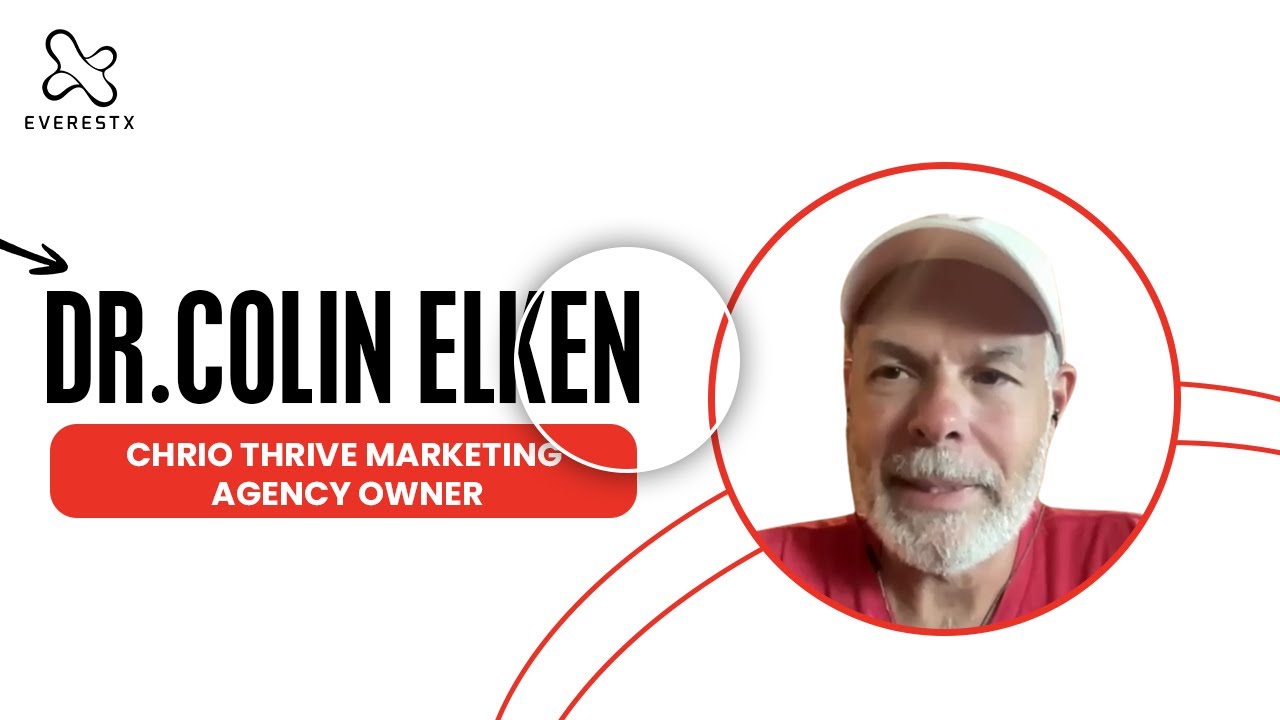
“He really acts as if he’s a part owner of the company. Owns up to mistakes right away, corrects them, and has done some wonderful work for us — frankly, helped us grow.”
Dr. Colin Elken
Agency Owner, Chirothrive Marketing Agency
Hired: Digital Marketing Specialist (Full-Time)
“He was a great team member with us for the last year. Definitely knows digital ads — very responsive and committed throughout.”
Jerry Martinez
President, Sunray Media Consultants
Hired: Performance Marketing Specialist (Full-Time)
“Saved us a ton of time on screening. The person they sent came in ready and picked up our stack fast — has been delivering consistently since week one.”
Rishi Patel
Senior Talent Operations Manager, RippleMatch
Hired: Paid Ads Specialist (Part-Time)
Ready to Hire a Performance Marketing Specialist?
Get matched with a vetted Performance Marketing Specialist in 48 hours. Try 1 week risk-free — no charge if not the right fit.
48-hour match guaranteed · Replacement at no cost · Cancel anytime