SEO Services for Ecommerce Brands
Grow organic revenue. Optimize product pages. Fix technical issues that suppress rankings.
Paid acquisition costs for ecommerce brands have increased 60%+ over the last 4 years. Organic search remains the highest-margin, most durable traffic channel — but ecommerce SEO is technically complex. Product schema, category architecture, faceted navigation, Core Web Vitals, and duplicate content all interact in ways that can suppress thousands of pages simultaneously. EverestX matches ecommerce brands with pre-vetted SEO specialists who understand the technical and content requirements that drive organic revenue growth on Shopify, WooCommerce, BigCommerce, and custom platforms.
43%
of ecommerce traffic comes from organic search
60%+
increase in paid acquisition costs since 2020
48hr
to match with your ecommerce SEO specialist
$10/hr
starting rate, full-time dedicated specialist
Why Ecommerce SEO Is Technically Demanding
A single technical mistake in ecommerce SEO can suppress thousands of product pages simultaneously.
Duplicate Product Descriptions
Brands using manufacturer-provided descriptions compete against every other retailer with identical content. Google cannot determine which version to rank, so it suppresses all of them — costing organic visibility across the entire product catalog.
Faceted Navigation Crawl Bloat
Filter parameters (color, size, price range) generate thousands of duplicate URL variants. Without proper canonicalization and robots.txt configuration, Google wastes crawl budget on parameter pages instead of indexing actual product pages.
Core Web Vitals Failures
Image-heavy ecommerce pages frequently fail LCP (Largest Contentful Paint) benchmarks. Google penalizes slow pages across the entire domain — not just the pages that fail. A store with 50ms LCP improvement can see 10–15% traffic gains.
Thin Category Pages
Category pages with only product grids and no unique content are considered thin by Google. Adding category introductions, buying guides, and filter-based content transforms thin pages into rankable assets targeting high-volume shopping queries.
Out-of-Stock Product Pages
Deleting out-of-stock product pages destroys accumulated backlink equity and ranking history. Specialist-managed 301 redirect strategies, seasonal inventory SEO, and "notify me" pages preserve ranking value.
International & Multi-Language SEO
Ecommerce stores selling in multiple countries or languages need proper hreflang implementation, geo-targeted sitemaps, and separate URL structures — or they risk self-cannibalization across markets.
What an Ecommerce SEO Specialist Does
Technical, content, and schema work across every layer of your store architecture.
Product Page Optimization
Unique product descriptions targeting buyer-intent keywords, Product schema with price/availability/reviews, title tag and meta description optimization, and image alt text — applied at scale across full catalogs.
Category Architecture & Content
Category page content strategy targeting high-volume shopping queries, subcategory structure optimization, internal linking between products and categories, and buying guide content that builds topical authority.
Technical SEO Audit & Fixes
Faceted navigation canonicalization, robots.txt and sitemap configuration, crawl budget analysis, redirect audits, duplicate content resolution, and Core Web Vitals remediation for Shopify, WooCommerce, or custom platforms.
Schema Markup Implementation
Product, Offer, AggregateRating, BreadcrumbList, and Organization schema across all relevant page types — enabling Google Shopping free listings, star rating rich results, and price display in SERPs.
Competitor & Gap Analysis
Identifying which keywords and product categories your competitors rank for that you don't, then building a prioritized roadmap for capturing market share through content and technical improvements.
Organic Revenue Attribution
Monthly reporting with organic sessions, keyword rankings, revenue attributed to organic traffic, and conversion rate by organic landing page — so you can quantify SEO ROI in actual revenue terms, not just traffic metrics.
How EverestX Works
A streamlined process to get you from requirement to results in days, not months.
Tell Us What You Need
Submit your role requirements, budget, and timeline. Our team reviews every request to understand your exact needs.
Get Matched in 48 Hours
We match you with pre-vetted specialists from our talent pool. Review profiles, skills, and availability before deciding.
Start Working Together
Your specialist is onboarded with managed support. We handle contracts, payments, and ongoing quality assurance.
Real clients, real outcomes
Hear it from teams
we work with.
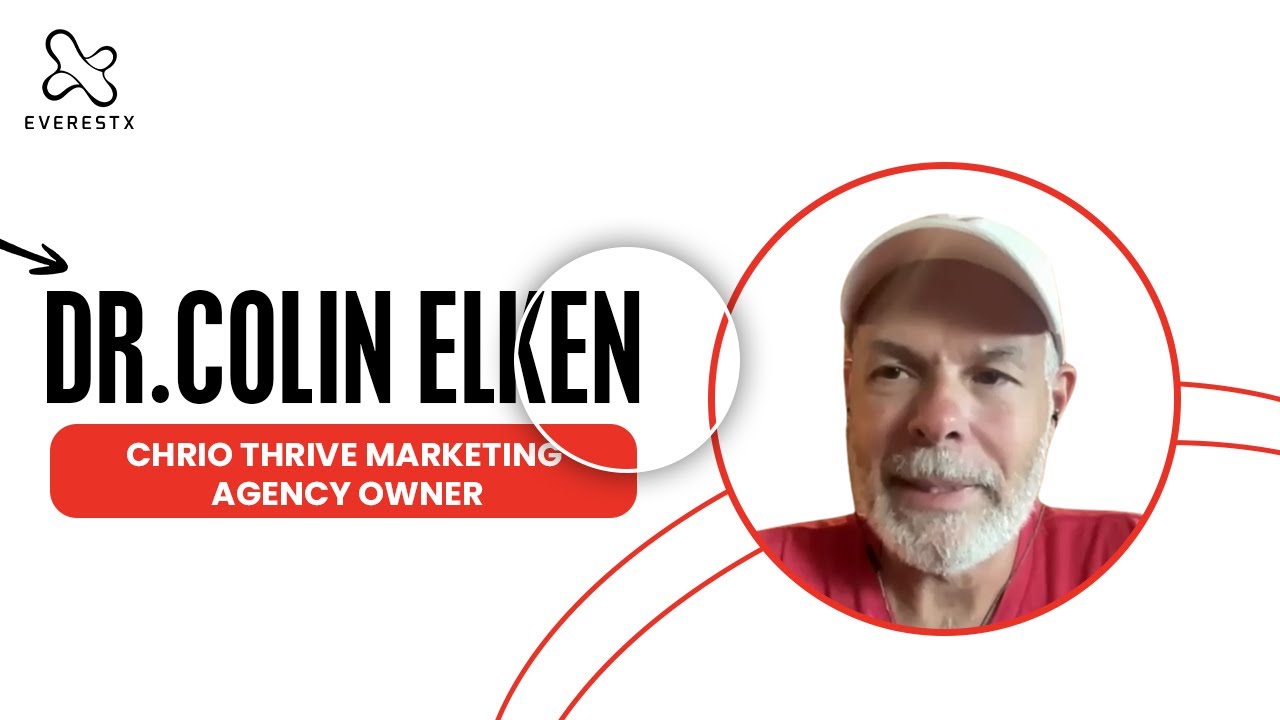
“He really acts as if he’s a part owner of the company. Owns up to mistakes right away, corrects them, and has done some wonderful work for us — frankly, helped us grow.”
Dr. Colin Elken
Agency Owner, Chirothrive Marketing Agency
Hired: Digital Marketing Specialist (Full-Time)
“He was a great team member with us for the last year. Definitely knows digital ads — very responsive and committed throughout.”
Jerry Martinez
President, Sunray Media Consultants
Hired: Performance Marketing Specialist (Full-Time)
“Saved us a ton of time on screening. The person they sent came in ready and picked up our stack fast — has been delivering consistently since week one.”
Rishi Patel
Senior Talent Operations Manager, RippleMatch
Hired: Paid Ads Specialist (Part-Time)
Who This Is For
DTC Ecommerce Brands
Direct-to-consumer brands on Shopify, WooCommerce, or BigCommerce that rely heavily on paid ads and want to build an organic channel that doesn't depend on ad spend.
Multi-Brand Retailers
Online retailers carrying multiple brands who need to differentiate product pages from manufacturer content and build category authority across dozens of product lines.
Ecommerce Businesses Scaling to $1M+
Growing ecommerce businesses at $200K–$5M annual revenue where organic search can become the primary growth driver if properly invested in.
Amazon-First Brands Going Direct
Amazon sellers building their own DTC presence who need organic search traffic to reduce Amazon dependence and own customer relationships directly.
Pricing Comparison
No upfront fees · no hiring fees · no platform fees — clients pay only for hours worked.
Full-time
$10–$12/hr
Mon–Fri, 8 hrs/day · 40 hrs/week
≈ $1,700–$2,100/mo
Part-time
$14–$16/hr
Mon–Fri, 4 hrs/day · 20 hrs/week
≈ $1,200–$1,400/mo
How that compares to freelancers and agencies
| Experience Level | Freelancer | Agency | EverestX |
|---|---|---|---|
Junior Ecommerce SEO | $30–$50/hr $5,000–$8,000/mo | $70–$100/hr $10,000–$16,000/mo | $10–$12/hr $1,700–$2,100/mo |
Mid-Level Ecommerce SEO | $55–$90/hr $9,000–$15,000/mo | $100–$150/hr $15,000–$24,000/mo | $10–$12/hr $1,700–$2,100/mo |
Senior Ecommerce SEO Strategist | $100–$175/hr $16,000–$28,000/mo | $150–$250/hr $24,000–$40,000/mo | $10–$12/hr $1,700–$2,100/mo |
EverestX rate is flat across experience levels — within the band, exact rate depends on the specific talent's background and skills. Part-time engagements available at $14–$16/hr (20 hrs/week).
Frequently Asked Questions
What is the most important SEO element for ecommerce product pages?
Product page SEO requires unique, non-manufacturer descriptions (to avoid duplicate content), Product schema markup with price and availability, optimized title tags targeting buyer-intent keywords, and customer review schema. Pages without unique content compete against every retailer selling the same product with the same manufacturer description.
How does category page architecture affect ecommerce SEO?
Category pages target broad shopping intent queries that generate high traffic volume. Poor category architecture with missing H1 tags, thin content, and improper faceted navigation (causing URL parameter crawl bloat) is the most common technical SEO failure in ecommerce stores.
What are Core Web Vitals and why do they matter for ecommerce?
Core Web Vitals (LCP, INP, CLS) measure page speed and user experience. Google uses them as direct ranking signals. Ecommerce sites with heavy product imagery and third-party scripts frequently fail these benchmarks — causing ranking suppression across all product and category pages simultaneously.
How does Product schema markup help ecommerce SEO?
Product schema enables Google to display rich shopping results — showing product price, availability, star ratings, and reviews directly in search results. This significantly increases click-through rates and can generate Google Shopping free listings, adding an additional organic traffic channel.
Should ecommerce brands target informational content as well as product pages?
Yes. A "buying guide" or "how to choose" article for a product category captures mid-funnel shoppers researching before purchase. These informational pages build topical authority, earn backlinks, and drive discovery traffic that product pages alone cannot capture — typically resulting in 30–50% more organic sessions.
What does an ecommerce SEO specialist cost at EverestX?
Ecommerce SEO specialists are $10–$12/hr for full-time (40 hrs/week) or $14–$16/hr for part-time (20 hrs/week). Specialists are pre-vetted with Shopify, WooCommerce, and/or BigCommerce experience and a track record of organic revenue growth.
Ready to Grow Organic Revenue for Your Online Store?
Get matched with a pre-vetted ecommerce SEO specialist in 48 hours. Starting at $10/hr.
48-hour match guaranteed · Replacement at no cost · Cancel anytime
Ready to Hire a Ecommerce SEO Specialist?
Get matched with a vetted Ecommerce SEO Specialist in 48 hours. Try 1 week risk-free — no charge if not the right fit.
48-hour match guaranteed · Replacement at no cost · Cancel anytime