Hire a Content Creator
The UGC Agency Alternative — Vetted Content Creators, No Markup
Short-form video is the dominant content format in 2026, and it is not even close. TikTok surpassed 1.5 billion monthly active users, Instagram Reels account for over 30% of time spent on the platform, and YouTube Shorts generate 70 billion daily views. Consumers now spend an average of 95 minutes per day watching short-form video content, and brands that fail to show up in feeds with authentic, platform-native video are losing ground to competitors who do.
Also known as
UGC Creator·Short-Form Video Creator·Social Media Content Creator·Reels Creator·TikTok Content Creator
What Does a Content Creator Do?
A content creator specializing in short-form video owns the full lifecycle of content production — from concept development through filming, editing, publishing, and performance analysis. Their work sits at the intersection of creative storytelling, platform expertise, and marketing strategy.
Concept development and ideation is where the process begins
A content creator monitors trending formats, sounds, and hashtags across TikTok, Instagram, and YouTube Shorts daily. They translate platform trends into brand-relevant content concepts, building content calendars that balance trending moments with evergreen brand storytelling. Strong creators maintain an ongoing swipe file of hooks, transitions, and narrative structures that perform well in their niche, adapting proven frameworks to your brand's voice and objectives. They pitch 10-20 content concepts per week, understanding that volume and iteration are essential in short-form video.
Filming and on-camera presence is a core differentiator
Many content creators serve as the face and voice of brand content, delivering to-camera monologues, product demonstrations, unboxing videos, and lifestyle content with the natural, conversational energy that audiences connect with. They understand lighting, framing, and audio for mobile-first production — not the overproduced studio look that audiences scroll past, but the authentic aesthetic that stops thumbs. Creators who work behind the camera bring the same sensibility, directing talent or employees to deliver content that feels genuine rather than scripted.
Editing and post-production separates professional content creators from amateurs. They work in tools like CapCut, Adobe Premiere Rush, InShot, and DaVinci Resolve to cut footage with platform-native pacing — fast cuts for TikTok, slightly longer beats for Reels, and story-driven structures for YouTube Shorts. They add on-screen text, captions, sound effects, transitions, and music that amplify the content's impact. A skilled editor knows that the first 0.5 seconds determines whether someone watches or scrolls, and they structure every piece of content around that constraint.
Platform-native content strategy goes beyond just creating videos
Content creators understand the algorithmic differences between TikTok, Instagram Reels, and YouTube Shorts. They know that TikTok rewards watch time and completion rate, Reels prioritizes saves and shares, and Shorts leverages YouTube's search-based discovery engine. They optimize posting times, hashtag strategies, caption formats, and content hooks for each platform's unique ranking factors. This platform fluency means your content works with algorithms rather than against them.
UGC for advertising is one of the fastest-growing applications for content creators. Brands increasingly use UGC-style video as paid ad creative because it outperforms traditional studio ads in cost-per-click, cost-per-acquisition, and return on ad spend. Content creators produce ad-ready UGC that looks organic in the feed — product reviews, testimonials, how-to demonstrations, unboxing reactions, and day-in-my-life integrations that feel authentic while driving commercial intent. The best UGC creators understand direct-response copywriting principles and structure their videos around proven ad frameworks: hook, problem, solution, social proof, call-to-action.
Performance analysis and iteration close the loop
Content creators track views, watch time, completion rate, engagement rate, saves, shares, and follower growth to understand what resonates and what falls flat. They run structured content experiments — testing different hooks, video lengths, posting times, and content formats — and use the data to continuously refine their approach. This analytical mindset separates content creators who produce consistent results from those who rely on luck.
Core Content Creator Skills
Short-Form Video Production
CoreEnd-to-end capability in producing platform-native short-form videos optimized for TikTok, Instagram Reels, and YouTube Shorts. Includes concept development, scripting, filming with mobile or mirrorless cameras, lighting and audio setup for authentic aesthetics, and understanding the pacing and visual language that drives engagement on each platform.
Video Editing & Post-Production
CoreProficiency in editing tools like CapCut, Adobe Premiere Rush, InShot, or DaVinci Resolve to cut, sequence, and enhance video content with on-screen text, captions, transitions, sound effects, and music. Skilled editors understand platform-specific pacing — fast cuts for TikTok, story-driven structures for Shorts — and can produce polished content rapidly.
Hook Writing & Storytelling
CoreThe ability to craft opening hooks that stop users from scrolling within the first 0.5-1 second and narrative structures that maintain watch time through the entire video. Includes pattern interrupt techniques, curiosity-driven openings, and story arcs that deliver value while driving viewers toward a call-to-action.
Trend Identification & Adaptation
CoreMonitoring and quickly adapting trending sounds, formats, transitions, and content styles across TikTok, Instagram, and YouTube. Strong trend skills mean recognizing what is emerging (not just what is already viral), adapting trends to fit brand voice without feeling forced, and timing content to ride the algorithm boost that trending formats receive.
UGC & Authentic Content Creation
CoreProducing user-generated content style videos that feel organic and relatable while serving commercial objectives. Includes product reviews, testimonials, unboxings, day-in-my-life integrations, and how-to demonstrations structured around direct-response frameworks (hook, problem, solution, proof, CTA) without appearing scripted or salesy.
Platform Algorithm Knowledge
CoreDeep understanding of how TikTok, Instagram Reels, and YouTube Shorts ranking algorithms work, including watch time signals, completion rate weighting, engagement velocity, hashtag and keyword optimization, and posting cadence strategies. This knowledge directly impacts content reach and is the difference between 500 views and 500,000 views.
Advanced Content Creator Skills
Paid UGC Production
AdvancedCreating video content specifically designed for use as paid advertising creative on Meta, TikTok, and other platforms. Requires understanding of ad creative best practices, direct-response copywriting, platform ad specifications, and the ability to produce multiple creative variations and hooks for A/B testing at scale.
Content Strategy & Calendar Management
AdvancedDeveloping comprehensive content strategies that balance trending content, evergreen brand content, promotional campaigns, and community-building posts. Includes building and maintaining content calendars, batching production for efficiency, and aligning content themes with marketing objectives and seasonal campaigns.
Motion Graphics & Animation
AdvancedAdding animated elements, kinetic typography, custom transitions, and motion graphics to short-form video content using tools like After Effects, CapCut Pro, or Canva. These skills elevate production value while maintaining the organic feel that platform audiences prefer over heavily produced content.
On-Camera Performance & Talent Direction
AdvancedEither performing confidently on camera with natural delivery, or directing others (employees, influencers, customers) to deliver authentic-feeling content. Includes coaching non-performers to appear comfortable, managing energy and pacing, and adjusting delivery style to match brand voice and platform norms.
Content Repurposing & Multi-Platform Distribution
AdvancedStrategically adapting content across platforms by reformatting aspect ratios, adjusting pacing for different algorithms, modifying captions and hooks, and maximizing the value of each production session by creating multiple assets from a single shoot. Includes long-form to short-form repurposing from podcasts, webinars, and YouTube videos.
Community Engagement & Growth Hacking
AdvancedLeveraging comment strategies, duets, stitches, collaborations, and engagement tactics that accelerate follower growth and build community around brand content. Includes understanding viral mechanics, seeding content for shareability, and building creator networks for cross-promotion opportunities.
Content Creator Tools & Platforms
CapCut
PrimaryThe most widely used editing tool for short-form video content, offering intuitive mobile and desktop editing with built-in effects, transitions, captions, and trending templates. CapCut integrates directly with TikTok and provides the fast, platform-native editing workflow that professional content creators rely on for rapid content production.
TikTok Creator Tools
PrimaryThe native TikTok creation and analytics suite including the in-app editor, trending sound library, effects marketplace, Creator Center analytics, and TikTok Studio. Mastery of TikTok native tools is essential for leveraging platform-specific features like trending sounds, effects, and duet/stitch functionality that boost algorithmic distribution.
Instagram Reels & Meta Creator Studio
PrimaryInstagram native creation tools and Meta Creator Studio for publishing, scheduling, and analyzing Reels performance. Includes understanding Instagram-specific features like Remix, Templates, audio library, and the Insights dashboard for tracking reach, plays, engagement, and follower demographics.
Adobe Premiere Rush
PrimaryA professional-grade mobile and desktop video editor that bridges the gap between quick social editing and full production capability. Premiere Rush offers multi-track editing, color correction, audio mixing, and motion graphics templates while maintaining the speed required for high-volume short-form content production.
Canva
PrimaryDesign and video creation tool used for creating thumbnails, text overlays, animated elements, and quick video edits. Canva Video has become a go-to for content creators who need to produce supporting visual assets alongside video content, including story graphics, carousel posts, and branded templates.
DaVinci Resolve
OptionalProfessional-grade video editing and color grading software used by content creators who need advanced editing capabilities, particularly for color correction, audio post-production, and multi-cam editing. The free version offers most professional features, making it accessible for creators producing higher-end content.
Notion or Trello
OptionalProject management and content planning tools used to build content calendars, organize concept pipelines, track production workflows, and collaborate with brand teams on content approval processes. Essential for creators managing multiple brands or high-volume production schedules.
Descript
OptionalAI-powered video and audio editing tool that enables text-based editing, automatic transcription, and caption generation. Particularly valuable for repurposing long-form content into short-form clips and for creators who produce podcast or interview-style content alongside social video.
Later or Buffer
OptionalSocial media scheduling and analytics platforms for planning content calendars, scheduling posts across platforms, and tracking performance metrics in a unified dashboard. Useful for creators managing publishing across TikTok, Instagram, YouTube, and other platforms simultaneously.
Epidemic Sound or Artlist
OptionalLicensed music and sound effects libraries that provide copyright-safe audio for content creators. Essential for producing content that uses music without risking takedowns or copyright claims, particularly important for branded content and UGC intended for paid advertising use.
Who Needs a Content Creator?
Ecommerce and direct-to-consumer brands are the most active hirers of content creators. Short-form video drives product discovery on TikTok and Instagram in ways that static images cannot match — consumers can see products in action, hear genuine reactions, and understand use cases in 15-60 seconds. DTC brands need a constant stream of fresh content for both organic growth and paid UGC campaigns. A dedicated content creator produces the volume and variety of video assets these brands need to stay relevant in feeds, test creative at scale in paid campaigns, and build the authentic brand identity that drives customer loyalty.
Marketing agencies scaling creative output represent a major hiring segment. Agencies serving multiple clients need content creators who can produce platform-native video across different brands, voices, and industries without requiring extensive oversight. Agency content creators handle the production workload that allows strategists and account managers to focus on client relationships and campaign architecture rather than scrambling to produce enough content to keep feeds active.
SaaS and technology companies increasingly recognize that short-form video humanizes their brands and drives product adoption. Product demos, feature walkthroughs, customer success stories, and behind-the-scenes engineering content perform exceptionally well for tech companies trying to build brand awareness and generate leads. Content creators who can translate complex products into accessible, engaging video content are particularly valuable in this space.
Restaurants, hospitality, and local businesses use short-form video to drive foot traffic and local awareness. A single viral TikTok showing food preparation, ambiance, or a customer experience can generate more business than months of traditional advertising. These businesses need content creators who understand local content strategies, can film in dynamic physical environments, and create the kind of shareable content that puts local brands on the map.
Personal brands, coaches, and course creators depend on short-form video as their primary audience-building and lead-generation channel. These clients need content creators who can capture their expertise in engaging video formats, build consistent publishing cadences, and grow their following into a monetizable audience. Content repurposing — turning long-form content into multiple short-form clips — is a particularly valuable skill for this segment.
How to Evaluate a Content Creator
Start with the portfolio — it is the single most important evaluation tool for content creators. Ask for a reel of their best 10-15 short-form videos across platforms. Watch for three things: hook quality (does the first frame make you want to keep watching?), production value appropriate to the platform (not overproduced, not sloppy), and variety of formats (talking head, b-roll storytelling, product showcase, trending format adaptation). A strong portfolio demonstrates range while maintaining a consistent quality standard.
Assign a paid test project before committing to a longer engagement. Give the creator a real product or brand scenario and ask them to produce 3-5 short-form videos within a defined timeframe. Evaluate their creative process as much as the output: Did they research your brand and audience before scripting? Did they propose multiple concept angles? Did they deliver on time and incorporate feedback constructively? A test project reveals work ethic, creative thinking, and collaboration skills that a portfolio alone cannot show.
Assess platform knowledge with specific questions. Ask them to explain the difference between how TikTok, Instagram Reels, and YouTube Shorts algorithms rank content. Ask what metrics they prioritize for organic growth versus paid UGC. Ask them to walk through how they would build a 30-day content strategy for a brand launching on TikTok from zero. Strong candidates give specific, tactical answers rooted in real experience — not generic advice they read in a blog post.
Evaluate their understanding of authentic versus scripted content. The best content creators know how to make planned content feel spontaneous. Ask them how they balance brand messaging requirements with authentic delivery. Ask for examples of how they have taken a brand's talking points and translated them into content that feels natural rather than corporate. UGC that reads as an ad defeats the purpose — you need someone who understands the fine line between authenticity and performance.
Check their editing speed and technical toolkit. Short-form content demands fast turnaround — a trend that is hot today may be stale in 48 hours. Ask about their editing workflow: What tools do they use? How long does a typical video take from concept to final edit? Can they add captions, sound effects, and on-screen text that match platform conventions? Creators who can produce polished content quickly give you a competitive advantage in trend-driven content.
Finally, evaluate their analytical mindset. Ask them to walk through the performance of a recent video: What metrics did they track? What did they learn? How did it influence their next piece of content? Content creators who treat each video as a data point in an ongoing experiment consistently outperform those who create based on intuition alone.
Mistakes to Avoid When Hiring a Content Creator
Pattern failures we see across hundreds of content creator engagements — and what to do instead.
Hiring on credentials instead of results
Certifications, agency names on a résumé, and tool fluency say nothing about whether a Content Creator can move a metric. Ask for specific accounts, the starting state, the ending state, and the specialist's exact contribution. If they can't quantify outcomes, they likely didn't drive them.
Skipping the industry-experience question
Content Creators who have worked in your industry compress the ramp from 90 days to 14. The patterns — buyer behavior, seasonality, channel mix, what creative wins — don't transfer across verticals as much as people assume. Always ask for at least one account in or adjacent to your industry.
Vague or absent success metrics
Hiring without defined success criteria is how 6-month engagements end with "we tried a bunch of stuff." Before signing, agree on 2-3 quantitative outcomes tied to your business (CPA at X, revenue lift of Y%, organic traffic to Z), the time window, and what failure looks like. Specialists who push back on this are signaling they don't want accountability.
Underweighting communication and async work habits
Even the best Content Creator fails if you can't reach them, get a status update, or read their thinking. Especially for remote engagements, test their async habits explicitly: how do they document work, how often do they update, how do they handle escalation when something breaks. Bad communicators don't get better under pressure.
Over-paying for senior talent on early-stage work, or under-paying for strategic work
Both extremes waste money. A senior Content Creator at $150/hr is a poor fit for tactical execution; a $25/hr generalist is a poor fit for setting up tracking, building attribution, or running diagnostics. Match the seniority of the hire to the actual problem — for most growing businesses, the sweet spot is a vetted mid-level specialist at managed-platform rates ($10–$16/hr through EverestX), not the cheapest or most senior option.
No replacement plan if the hire is the wrong fit
~25–30% of first-attempt marketing hires don't work out within 90 days. If your hiring process has no built-in path to replace without re-starting from scratch (re-recruiting, re-interviewing, re-onboarding), the cost of getting it wrong is 6-8 weeks of stalled execution. Build replacement into the engagement up-front, or hire through a platform that includes it by default.
Pricing Comparison
No upfront fees · no hiring fees · no platform fees — clients pay only for hours worked.
Full-time
$10–$12/hr
Mon–Fri, 8 hrs/day · 40 hrs/week
≈ $1,700–$2,100/mo
Part-time
$14–$16/hr
Mon–Fri, 4 hrs/day · 20 hrs/week
≈ $1,200–$1,400/mo
How that compares to freelancers and agencies
| Experience Level | Freelancer | Agency | EverestX |
|---|---|---|---|
Junior Content Creator | $25-$40/hr $4,000-$6,400/mo | $60-$90/hr $9,600-$14,400/mo | $10–$12/hr $1,700–$2,100/mo |
Mid-Level Content Creator | $40-$65/hr $6,400-$10,400/mo | $90-$140/hr $14,400-$22,400/mo | $10–$12/hr $1,700–$2,100/mo |
Senior Content Creator | $65-$100/hr $10,400-$16,000/mo | $140-$200/hr $22,400-$32,000/mo | $10–$12/hr $1,700–$2,100/mo |
Expert / Creative Director | $100-$150/hr $16,000-$24,000/mo | $200-$300/hr $32,000-$48,000/mo | $10–$12/hr $1,700–$2,100/mo |
EverestX rate is flat across experience levels — within the band, exact rate depends on the specific talent's background and skills. Part-time engagements available at $14–$16/hr (20 hrs/week).
Common Content Creator Challenges We Solve
Stop struggling with these pain points. Our vetted specialists deliver solutions from day one.
Problem
Content Drought
Your social feeds go silent for days or weeks because no one on the team has time, skills, or ideas to produce the volume of video content that algorithms demand. Inconsistent posting tanks your algorithmic reach, and every gap means losing the momentum you built.
Solution
A dedicated content creator maintains a consistent publishing cadence — typically 4-7 videos per week across platforms — with a content calendar that ensures you never run dry. They batch-produce content, maintain an ideas pipeline, and build systems that keep your feeds active even during busy periods.
Problem
Inauthentic Brand Content
Your videos look and feel like advertisements — overproduced, overly scripted, and clearly corporate. Audiences scroll past polished brand content because it feels out of place in their feeds of authentic, creator-driven video. Your engagement rates are a fraction of what competitors achieve with similar products.
Solution
A content creator produces platform-native content that matches the aesthetic and energy of what audiences actually watch and engage with. They understand the difference between professional quality and platform quality and create content that feels authentic, relatable, and native to each platform while still communicating your brand message.
Problem
Video Content Is Too Expensive
Traditional video production costs $2,000-$10,000+ per video when you factor in producers, camera operators, editors, and post-production. At those prices, you cannot afford the volume of content needed to maintain presence across TikTok, Reels, and Shorts, so you produce a handful of videos per quarter instead of per week.
Solution
A content creator produces high-performing short-form video at a fraction of traditional production costs. Using mobile-first production techniques and efficient editing workflows, a single creator can produce 15-30 videos per month at a total cost lower than what a traditional production house charges for one video. The ROI math is dramatically better.
Problem
Cannot Keep Up with Platform Changes
TikTok, Instagram, and YouTube constantly update their algorithms, introduce new features, and shift what content formats perform best. By the time your marketing team figures out the latest trend or format, it is already over. You are always reacting instead of leading.
Solution
A dedicated content creator lives on these platforms daily. They spot trends within hours of emerging, understand algorithm shifts as they happen, and adapt your content strategy in real time. This constant immersion means your brand stays relevant and ahead of competitors who are still planning content around last month's trends.
Problem
UGC Quality Is Inconsistent
You have tried hiring UGC creators from marketplaces and the results are wildly inconsistent — some deliver great content while others produce videos that are unwatchable. Managing multiple freelance creators is time-consuming, and you never know what quality you will get until you have already paid for it.
Solution
A pre-vetted content creator from EverestX delivers consistent quality because they have been evaluated against production standards before being placed. One dedicated creator who deeply understands your brand produces more consistent, higher-quality output than a rotating cast of marketplace creators who spend five minutes reading your brief.
Problem
No Content Strategy
You are posting content reactively — random product shots, occasional behind-the-scenes clips, and the odd trending sound attempt — without any coherent strategy connecting your content to business objectives. Your content does not build on itself, and you have no system for learning what works.
Solution
A content creator builds a strategic content framework that aligns video production with your marketing goals. They develop content pillars, build a testing system to identify what resonates with your audience, and create a feedback loop between content performance data and future content planning. Every video becomes part of a larger system, not an isolated effort.
Content Creator vs Agency: Quick Comparison
Should you hire a dedicated Content Creator or outsource to an agency? Here is how the two approaches compare across the dimensions that matter most. For a deeper analysis, read our full Content Creator vs agency comparison.
Detailed Comparison
See how EverestX stacks up against hiring a freelancer or working with an agency.
| Dimension | Freelancer | Agency | EverestX |
|---|---|---|---|
Monthly Cost | $4,800-$16,000/mo | $10,000-$30,000/mo | $1,700–$2,100/mo full-time · $1,200–$1,400/mo part-time |
Videos Per Month | 15-30 (dedicated) | 10-20 (shared resources) | 15-30 (dedicated) |
Brand Consistency | High — same creator every time | Low — rotating creators | High — same creator, managed |
Turnaround Speed | Fast — 24-48 hours per video | Slow — 5-10 business days per video | Fast — 24-48 hours per video |
Creative Authenticity | High — platform-native production | Medium — often overproduced | High — pre-vetted for platform fluency |
Trend Responsiveness | Same-day adaptation | Days to weeks lag | Same-day adaptation |
Accountability | Self-managed (risk) | Agency-managed (high overhead) | EverestX-managed (efficient) |
How EverestX Works
A streamlined process to get you from requirement to results in days, not months.
Tell Us What You Need
Submit your role requirements, budget, and timeline. Our team reviews every request to understand your exact needs.
Get Matched in 48 Hours
We match you with pre-vetted specialists from our talent pool. Review profiles, skills, and availability before deciding.
Start Working Together
Your specialist is onboarded with managed support. We handle contracts, payments, and ongoing quality assurance.
Content Creator Hiring FAQs
What does a content creator actually do day-to-day?
A content creator's typical week involves researching trends and monitoring competitor content (1-2 hours daily), scripting and storyboarding new video concepts (2-3 hours), filming content in batches (4-6 hours per batch session, typically 2-3 sessions per week), editing and post-producing videos (2-4 hours per video depending on complexity), scheduling and publishing content with optimized captions and hashtags, engaging with audience comments and building community, and analyzing performance data to refine future content. Most creators produce 15-30 videos per month for a single brand, with some producing more for high-volume content strategies.
How quickly can I expect results from hiring a content creator?
Initial content quality improvements are immediate — you will see better, more platform-native content within the first week. Audience growth and engagement improvements typically become visible within 30-60 days as the algorithm begins recognizing consistent posting patterns and rewarding higher-quality content. Viral moments are unpredictable but become statistically more likely with consistent high-quality output. For paid UGC, results are faster: you can begin testing UGC ad creative within the first 1-2 weeks and should see performance data against your existing creative within 14-21 days. Expect the full impact of a dedicated content creator to compound over 90+ days as they build deep understanding of your audience and refine their approach based on data.
What is the difference between a content creator and a social media manager?
A social media manager handles the strategic and operational side of social presence — content calendars, community management, analytics reporting, and overall social strategy across platforms. A content creator focuses specifically on producing video and visual content. Many social media managers are not skilled video producers, and many content creators are not interested in community management or strategy. Some businesses need both: a strategist who plans the content direction and a creator who produces the actual videos. For brands prioritizing short-form video, the content creator role is often the more impactful hire because production quality and volume are the bottleneck, not strategy.
Do content creators need to be on camera for my brand?
Not necessarily — content creators work in several formats. Some specialize as on-camera talent, delivering to-camera content with personality and presence that builds audience connection. Others work behind the camera, filming product shots, b-roll, and lifestyle content that does not require a presenter. Many creators do both. For UGC specifically, on-camera presence is usually essential because the format requires a real person speaking authentically about a product. Discuss your content needs during the hiring process: if your strategy requires a consistent on-camera presence, prioritize creators with strong presentation skills and an on-camera portfolio.
How many videos per month should I expect from a content creator?
Output depends on content complexity and engagement level. For a full-time dedicated creator, 15-30 videos per month is a standard range for short-form content (15-60 seconds). This includes concept development, filming, editing, and publishing. More complex content — longer videos, multi-location shoots, elaborate editing — will be at the lower end. Quick-format content like trending sound videos, product showcases, and talking-head clips can be produced at higher volume. Part-time creators typically deliver 8-15 videos per month. The key metric is not just volume but consistency: algorithms reward daily or near-daily posting, so a creator who delivers 20 solid videos is more valuable than one who delivers 5 exceptional ones with weeks of silence between.
Can a content creator also handle my paid advertising creative?
Yes — and this is increasingly one of the highest-value applications for content creators. UGC-style video consistently outperforms traditional ad creative on Meta and TikTok. A content creator who understands both organic content and paid ad creative can produce videos that work in both contexts: native-feeling content that builds your organic presence and ad-ready UGC that drives conversions in paid campaigns. Look for creators with specific paid UGC experience, as ad creative has different structural requirements (clear hooks, problem-solution framing, strong CTAs) than purely organic content.
What equipment does a content creator need?
Most professional short-form content is filmed on smartphones — iPhone 14 Pro or later or equivalent Android devices with strong video capabilities. The best content on TikTok and Reels is deliberately mobile-quality because it feels native to the platform. Beyond a phone, essential equipment includes a ring light or portable LED panel ($30-$150), a lavalier microphone for clear audio ($30-$100), a tripod or phone mount ($20-$50), and editing software (CapCut is free, Premiere Rush is $10/month). Some creators use mirrorless cameras for higher-end production, but this is optional for most short-form content. You do not need to provide equipment — most professional content creators own everything they need.
How do I protect my brand when giving a content creator creative freedom?
Establish clear brand guidelines, content approval workflows, and a list of topics or messaging that is off-limits before content production begins. Share examples of content you like and content you do not like. For the first 2-4 weeks, review all content before it is published. As trust builds and the creator demonstrates consistent brand alignment, you can shift to a review-by-exception model where they publish independently and you review periodically. Strong content creators appreciate clear boundaries — it actually makes their work easier. At EverestX, brand safety is built into the engagement structure with managed oversight and clear approval processes.
More Ways to Get Content Creator Help
Different intents, different pages — same vetted talent network underneath.
Buy it as a service
Content Creator as a Managed Service
If you'd rather buy a service outcome than hire a person, see our content creator done-for-you service page.
Learn moreCompare alternatives
Best Content Creator Agencies & Alternatives (2026)
Honest comparison of the top content creator vendors — EverestX vs Toptal vs Upwork vs agencies.
Learn moreCost & Pricing
Compare
Top Cities
Industries
- Content Creator for E-commerce & DTC
- Content Creator for SaaS & Technology
- Content Creator for Healthcare & Medical
- Content Creator for Finance & Fintech
- Content Creator for Education & EdTech
- Content Creator for Real Estate
- Content Creator for Travel & Hospitality
- Content Creator for Agency & Consulting
- Content Creator for B2B Services
- Content Creator for Consumer Products & CPG
- Content Creator for Media & Entertainment
- Content Creator for Nonprofit & NGO
Related Roles
Real clients, real outcomes
Hear it from teams
we work with.
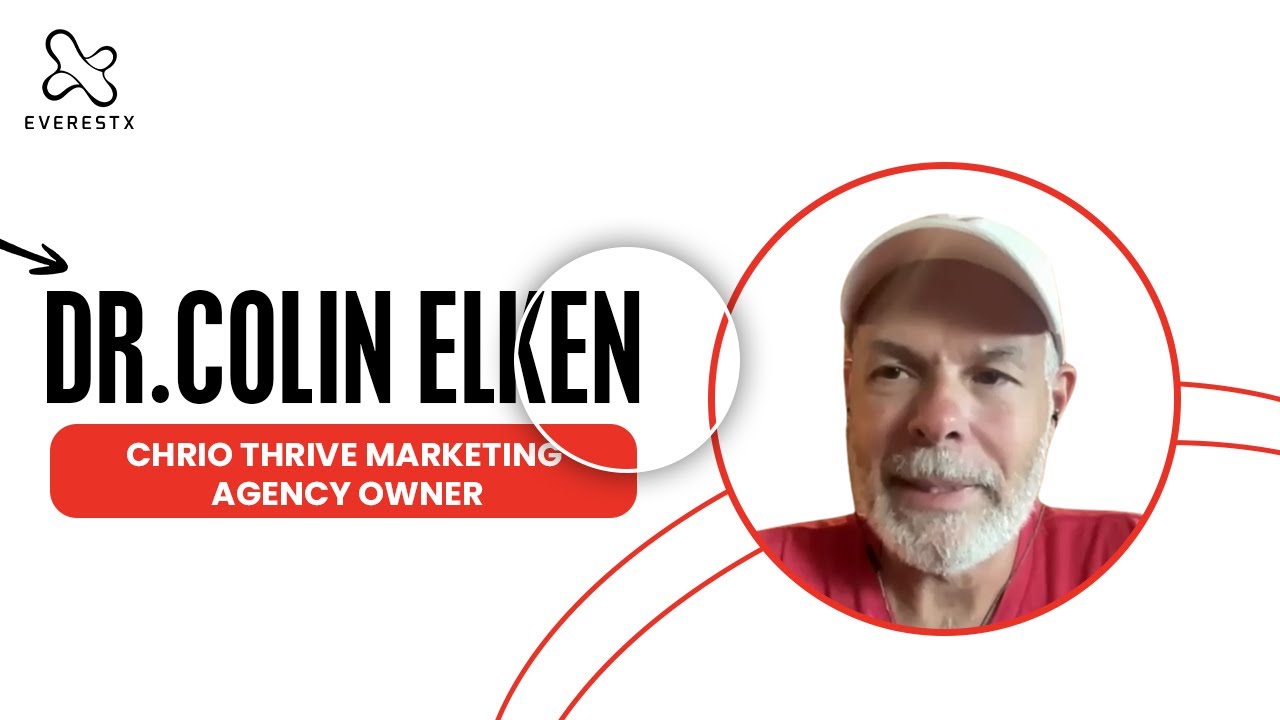
“He really acts as if he’s a part owner of the company. Owns up to mistakes right away, corrects them, and has done some wonderful work for us — frankly, helped us grow.”
Dr. Colin Elken
Agency Owner, Chirothrive Marketing Agency
Hired: Digital Marketing Specialist (Full-Time)

“He was a great team member with us for the last year. Definitely knows digital ads — very responsive and committed throughout.”
Jerry Martinez
President, Sunray Media Consultants
Hired: Performance Marketing Specialist (Full-Time)
“Saved us a ton of time on screening. The person they sent came in ready and picked up our stack fast — has been delivering consistently since week one.”
Rishi Patel
Senior Talent Operations Manager, RippleMatch
Hired: Paid Ads Specialist (Part-Time)
Tutorials
Want to do this yourself? Here is how
Free, step-by-step tutorials covering the tools this role works in. If at any point you would rather hand it off, our specialists are above.
ChatGPT for Marketing
ChatGPT vs Claude vs Gemini: which AI to use for marketing
Three LLMs, three personalities. ChatGPT is the generalist. Claude is the writer. Gemini is the Google-integrated workhorse. Picking the right one (or two) compounds across thousands of prompts.
ChatGPT for Marketing
When to hire an AI content specialist — an honest checklist
DIY ChatGPT content is a great idea — until it is not. This is the honest framework: when the cost of self-managing exceeds the cost of hiring, and how to tell which side you are on.
Claude for Marketing
Claude vs ChatGPT: which to use for marketing
Two LLMs, two personalities. ChatGPT is the generalist + ecosystem. Claude is the writer + reasoner. The senior-marketer pattern is using both strategically.
Claude for Marketing
When to hire an AI marketing specialist — an honest checklist
DIY AI marketing is a great idea — until it is not. This is the honest framework: when the cost of self-managing exceeds the cost of hiring, and how to tell which side you are on.
Ready to Hire a Content Creator?
Get matched with a vetted Content Creator in 48 hours. Try 1 week risk-free — no charge if not the right fit.
48-hour match guaranteed · Replacement at no cost · Cancel anytime