Hire a Creative Strategist
Stop Burning Ad Spend on Creative That Doesn't Convert
Creative is the #1 lever in paid media performance. According to Nielsen, ad creative accounts for 47% of a campaign's sales impact — more than targeting, placement, and reach combined. Yet most brands treat creative as an afterthought, handing it off to designers who have never read a performance report or media buyers who have never written a brief. The result is predictable: ad fatigue kills ROAS, creative testing is haphazard at best, and the gap between what media buyers need and what the creative team produces grows wider every month.
Also known as
Ad Creative Strategist·Performance Creative Strategist·Paid Social Creative Strategist·UGC Creative Strategist·Creative Strategy Consultant
What Does a Creative Strategist Do?
A creative strategist owns the strategic layer between your media buying team and your creative production team. Their work is equal parts analytical and creative — they use data to inform creative decisions and creative intuition to interpret data that pure analysts miss.
Creative analysis is where the work starts
A creative strategist audits every active ad in your account, tagging creatives by format, hook type, messaging angle, visual style, and call-to-action. They build a creative performance database that tracks metrics beyond surface-level CTR: thumb-stop rate, hold rate, click-to-purchase rate, and creative longevity before fatigue. They identify patterns — which hook styles consistently outperform, which visual formats drive the highest ROAS, which messaging angles resonate with specific audience segments — and translate those patterns into actionable creative briefs.
Concept development for paid media is fundamentally different from brand creative. A creative strategist develops ad concepts designed to perform, not just look good. They research competitor ads using tools like Meta Ads Library, TikTok Creative Center, Foreplay, and Minea. They study winning ads across verticals to identify transferable patterns. They develop concept frameworks organized around specific performance objectives: awareness hooks, consideration angles, conversion drivers, and retention messaging. Each concept is designed with testing variables built in — so you can isolate what works.
UGC creative briefing has become one of the most critical functions in modern paid media. A creative strategist writes detailed briefs for UGC creators that specify the hook, the key talking points, visual direction, tone, and CTA — without being so rigid that the content feels scripted. They manage creator relationships, review raw footage, and provide feedback that improves content quality over time. The best creative strategists build UGC programs that produce 20-40 usable assets per month from a stable of 5-10 creators.
Creative testing frameworks are the backbone of a systematic creative program
A creative strategist designs structured tests that isolate specific variables: hook tests (first 3 seconds), body tests (middle messaging), CTA tests, format tests (static vs. video vs. carousel), and concept tests (entirely different angles). They define success criteria, minimum sample sizes, and decision timelines before launching tests — not after. They maintain a testing log that builds institutional knowledge about what works for your brand.
Competitor creative auditing is an ongoing discipline, not a one-time exercise
A creative strategist monitors competitor ad libraries weekly, identifies new creative trends and formats, and flags opportunities to test approaches that competitors are scaling. They track competitive creative velocity — how many new ads competitors launch per week — and ensure your brand maintains creative parity or advantage.
Creative scaling takes winners and systematically iterates them into new variations. When a creative concept proves successful, a strategist develops a scaling playbook: new hooks on the same body, same hook with different visuals, same concept adapted for different platforms, same angle targeting different audience segments. This structured iteration approach extends the lifespan of winning concepts from days to months.
Performance creative reporting connects creative decisions to business outcomes
A creative strategist builds reports that show which creative concepts drove the most revenue, which formats had the lowest CPA, which hooks had the highest thumb-stop rate, and where creative fatigue is emerging. These reports inform the next cycle of creative development, creating a feedback loop that continuously improves performance.
Collaboration with media buyers is constant and bidirectional
The creative strategist provides the media buyer with a steady pipeline of diverse, high-quality creative assets. The media buyer provides the creative strategist with performance data and audience insights that shape the next round of concepts. In high-performing teams, this collaboration happens daily through shared dashboards, Slack channels, and weekly creative-performance review sessions.
Core Creative Strategist Skills
Creative Analysis & Performance Auditing
CoreThe ability to analyze ad creative performance at a granular level — tagging creatives by format, hook type, messaging angle, and visual style, then correlating these attributes with performance metrics like thumb-stop rate, hold rate, CTR, and ROAS. This goes beyond reading Ads Manager columns to building a systematic understanding of why specific creatives outperform others.
Concept Development for Paid Media
CoreDeveloping ad concepts that are designed to perform, not just look good. This includes researching winning concepts across competitors and verticals, building concept frameworks around specific performance objectives, and creating briefs that give designers and creators enough direction to execute without stifling authenticity.
UGC Briefing & Creator Management
CoreWriting detailed UGC briefs that specify hooks, talking points, visual direction, tone, and CTAs while maintaining creator authenticity. Includes sourcing and managing UGC creators, reviewing raw footage, providing constructive feedback, and building a reliable creator pipeline that produces 20-40 usable assets per month.
Creative Testing Frameworks
CoreDesigning structured creative tests that isolate specific variables — hook tests, body tests, CTA tests, format tests, and concept tests — with predefined success criteria, minimum sample sizes, and decision timelines. Maintaining testing logs that build institutional knowledge and inform future creative development.
Competitive Creative Intelligence
CoreSystematically monitoring competitor ad libraries across Meta, TikTok, and YouTube, identifying which competitor ads have been running longest (indicating strong performance), categorizing competitive creative by format and messaging angle, and translating competitive insights into actionable creative opportunities for your brand.
Performance Creative Reporting
CoreBuilding reports that connect creative decisions to business outcomes — which concepts drove the most revenue, which formats had the lowest CPA, where creative fatigue is emerging, and what the next round of creative development should prioritize. Translating complex creative data into clear recommendations for stakeholders.
Advanced Creative Strategist Skills
Creative Scaling & Iteration Systems
AdvancedTaking winning creative concepts and systematically extending their lifespan through structured iteration: new hooks on proven bodies, same hooks with different visuals, proven concepts adapted for different platforms and audience segments. Building playbooks that turn a single winning concept into 10-20 high-performing variations.
Platform-Specific Creative Optimization
AdvancedDeep knowledge of how creative requirements differ across Meta, TikTok, YouTube Shorts, Pinterest, and LinkedIn — including aspect ratios, text overlay limitations, sound-on vs. sound-off behavior, content moderation rules, and the visual styles and formats that each algorithm rewards with lower CPMs and higher delivery.
Direct Response Copywriting
AdvancedWriting high-converting ad copy for paid social — including scroll-stopping hooks, benefit-driven body copy, urgency-building frameworks, and clear CTAs. Understanding the difference between brand copywriting and direct response copywriting, and how to adapt messaging for different funnel stages and audience temperature.
Video Creative Direction
AdvancedDirecting video ad production from concept through post-production, including storyboarding, shot lists, pacing decisions, music and sound design direction, text overlay strategy, and editing notes that optimize for platform-specific engagement patterns like thumb-stop rate and average watch time.
Consumer Psychology & Persuasion Frameworks
AdvancedApplying behavioral psychology principles to creative development — understanding cognitive biases like social proof, loss aversion, anchoring, and the bandwagon effect, and translating these into specific creative executions that drive higher conversion rates across different audience segments and product categories.
Creative Strategist Tools & Platforms
Meta Ads Library
PrimaryThe primary tool for competitive creative research on Facebook and Instagram. Used to monitor competitor ads, identify which creatives have been running longest (indicating strong performance), track creative trends across verticals, and build a reference library of winning formats and messaging approaches.
TikTok Creative Center
PrimaryTikTok's official creative intelligence platform, providing access to top-performing ads by industry, trending sounds and hashtags, and creative best practices. Essential for creative strategists working on TikTok campaigns or adapting content for short-form vertical video formats.
Foreplay
PrimaryA creative swipe file and competitor monitoring tool designed specifically for paid media teams. Used to save, organize, and share ad creative inspiration across Meta, TikTok, and LinkedIn. Enables creative strategists to build organized libraries of competitor ads, tag them by format and concept, and share references with designers and creators.
Motion
PrimaryA creative analytics platform that automatically tags and categorizes ad creatives, tracks performance by creative element (hook, format, messaging angle), and surfaces insights about which visual and copy components drive results. Replaces manual spreadsheet tracking with automated creative performance analysis at scale.
Triple Whale
OptionalA leading ecommerce attribution and analytics platform that provides server-side tracking and blended ROAS calculations. Helps creative strategists understand true creative performance beyond platform-reported metrics, particularly valuable for connecting creative decisions to actual revenue impact.
Minea
OptionalA competitive intelligence platform for ecommerce that tracks ads, influencer placements, and product trends across Meta, TikTok, Pinterest, and other channels. Useful for creative strategists who need to identify winning products and creative angles in competitive DTC markets.
Figma
OptionalProfessional design and collaboration tool used for creating creative briefs, mood boards, storyboards, and ad concept mockups. Creative strategists use Figma to communicate visual direction to designers and maintain shared creative asset libraries across teams.
CapCut
OptionalFree video editing tool from ByteDance that is widely used for creating TikTok-native ad content, UGC-style videos, and rapid creative iterations. Valuable for creative strategists who need to quickly prototype video concepts or make minor edits without waiting for a dedicated editor.
Notion
OptionalAll-in-one workspace used to build creative testing logs, maintain concept databases, organize UGC creator pipelines, and document creative SOPs. Many creative strategists use Notion as their central operating system for managing the entire creative strategy workflow.
Who Needs a Creative Strategist?
DTC and ecommerce brands spending $50K or more per month on paid media are the most natural fit for a dedicated creative strategist. At this spend level, creative quality becomes the primary determinant of profitability. These brands have already optimized their targeting, bidding, and funnel — the remaining leverage is almost entirely in creative. A creative strategist who improves average ROAS by even 20% at $100K/month in spend is generating $20K+ in additional monthly revenue. Brands at this stage typically suffer from creative fatigue cycles that crash performance every 2-3 weeks, inconsistent UGC quality, and a media buyer who is frustrated by the lack of fresh, testable creative.
Performance marketing agencies managing creative at scale need creative strategists to systematize creative production across multiple client accounts. Without a dedicated creative strategist, agencies rely on media buyers to do double duty as both optimizer and creative director — a combination that rarely produces excellent results in either area. Agencies with a creative strategist on staff can offer creative strategy as a premium service line, improve client retention through better performance, and reduce the creative bottleneck that slows campaign scaling.
Startups scaling paid acquisition beyond the founder-led phase hit a common wall: the creative that worked at $10K/month doesn't work at $50K/month. What got them early traction was often a single winning concept or a founder's personal style — neither of which scales reliably. A creative strategist brings the frameworks, processes, and testing discipline needed to transition from "we have one ad that works" to "we have a creative system that consistently produces winners."
Any brand suffering from creative fatigue — where ROAS declines every few weeks and the only fix is launching new creative that takes increasingly long to produce — needs a creative strategist. Creative fatigue is not a media buying problem; it's a creative strategy problem. Without someone who understands why ads stop working and how to systematically extend creative lifespan through iteration and testing, brands end up on a treadmill of diminishing returns.
Brands investing in UGC but getting inconsistent results need a creative strategist to professionalize their UGC program. Raw UGC without strategic direction produces content that looks authentic but doesn't convert — because the hooks are weak, the messaging is unfocused, and the CTA is buried. A creative strategist transforms UGC from a random content experiment into a structured creative channel.
How to Evaluate a Creative Strategist
Start with their portfolio of performance creative. Ask: "Show me three ad concepts you developed and their performance data." A strong creative strategist will present concepts with context — the business objective, the target audience, the creative hypothesis, and the specific metrics that validated or invalidated the hypothesis. They should be able to explain not just what worked, but why it worked and how they iterated on the initial concept. Weak candidates show pretty ads without data, or data without creative reasoning.
Test their creative testing methodology. Ask: "Walk me through how you'd design a creative test for a DTC brand launching a new product." A strong answer includes defining the testing objective, choosing variables to isolate (hook, messaging angle, format, visual style), setting sample size and budget per variation, establishing success criteria before launch, and planning the iteration path for winners. Weak answers describe "trying different things" without a structured framework.
Assess their understanding of platform-specific creative best practices. Ask: "What are the differences between creative that performs on Meta versus TikTok versus YouTube Shorts?" A strong creative strategist knows that Meta rewards polished, benefit-driven creative with clear CTAs; TikTok rewards native, creator-style content that blends with the For You page; and YouTube Shorts rewards educational or entertaining hooks that deliver value in the first 3 seconds. They should also discuss aspect ratios, text overlay limitations, sound-on versus sound-off optimization, and platform-specific engagement patterns.
Evaluate their competitive analysis process. Ask: "How do you monitor and learn from competitor creative?" Strong candidates describe a systematic process: regular audits of competitor ad libraries, tracking which ads have been running longest (indicating strong performance), categorizing competitor creative by format, hook style, and messaging angle, and identifying gaps in competitor creative that represent opportunities.
Check their collaboration skills with media buyers and designers. Creative strategists who work in isolation produce beautiful concepts that don't align with media buying strategy. Ask how they've worked with media buyers in previous roles — what information they need from the buying side, how they communicate creative recommendations, and how they handle disagreements about creative direction.
A practical test is highly effective: give them access to a brand's ad library (or a competitor's public library) and ask them to analyze the creative, identify the top 3 performing concepts and why they work, and propose 5 new concepts to test with rationale for each. This reveals their analytical depth, creative range, and strategic thinking in a single exercise.
Mistakes to Avoid When Hiring a Creative Strategist
Pattern failures we see across hundreds of creative strategist engagements — and what to do instead.
Hiring on credentials instead of results
Certifications, agency names on a résumé, and tool fluency say nothing about whether a Creative Strategist can move a metric. Ask for specific accounts, the starting state, the ending state, and the specialist's exact contribution. If they can't quantify outcomes, they likely didn't drive them.
Skipping the industry-experience question
Creative Strategists who have worked in your industry compress the ramp from 90 days to 14. The patterns — buyer behavior, seasonality, channel mix, what creative wins — don't transfer across verticals as much as people assume. Always ask for at least one account in or adjacent to your industry.
Vague or absent success metrics
Hiring without defined success criteria is how 6-month engagements end with "we tried a bunch of stuff." Before signing, agree on 2-3 quantitative outcomes tied to your business (CPA at X, revenue lift of Y%, organic traffic to Z), the time window, and what failure looks like. Specialists who push back on this are signaling they don't want accountability.
Underweighting communication and async work habits
Even the best Creative Strategist fails if you can't reach them, get a status update, or read their thinking. Especially for remote engagements, test their async habits explicitly: how do they document work, how often do they update, how do they handle escalation when something breaks. Bad communicators don't get better under pressure.
Over-paying for senior talent on early-stage work, or under-paying for strategic work
Both extremes waste money. A senior Creative Strategist at $150/hr is a poor fit for tactical execution; a $25/hr generalist is a poor fit for setting up tracking, building attribution, or running diagnostics. Match the seniority of the hire to the actual problem — for most growing businesses, the sweet spot is a vetted mid-level specialist at managed-platform rates ($10–$16/hr through EverestX), not the cheapest or most senior option.
No replacement plan if the hire is the wrong fit
~25–30% of first-attempt marketing hires don't work out within 90 days. If your hiring process has no built-in path to replace without re-starting from scratch (re-recruiting, re-interviewing, re-onboarding), the cost of getting it wrong is 6-8 weeks of stalled execution. Build replacement into the engagement up-front, or hire through a platform that includes it by default.
Pricing Comparison
No upfront fees · no hiring fees · no platform fees — clients pay only for hours worked.
Full-time
$10–$12/hr
Mon–Fri, 8 hrs/day · 40 hrs/week
≈ $1,700–$2,100/mo
Part-time
$14–$16/hr
Mon–Fri, 4 hrs/day · 20 hrs/week
≈ $1,200–$1,400/mo
How that compares to freelancers and agencies
| Experience Level | Freelancer | Agency | EverestX |
|---|---|---|---|
Junior Creative Strategist | $50-70/hr $3,000-$5,000/mo | $100-140/hr $6,500-$10,000/mo | $10–$12/hr $1,700–$2,100/mo |
Mid-Level Creative Strategist | $70-100/hr $5,000-$8,000/mo | $140-200/hr $9,000-$14,000/mo | $10–$12/hr $1,700–$2,100/mo |
Senior Creative Strategist | $100-135/hr $8,000-$12,000/mo | $200-280/hr $14,000-$22,000/mo | $10–$12/hr $1,700–$2,100/mo |
Expert / Head of Creative | $135-175/hr $12,000-$18,000/mo | $280-400/hr $20,000-$32,000/mo | $10–$12/hr $1,700–$2,100/mo |
EverestX rate is flat across experience levels — within the band, exact rate depends on the specific talent's background and skills. Part-time engagements available at $14–$16/hr (20 hrs/week).
Common Creative Strategist Challenges We Solve
Stop struggling with these pain points. Our vetted specialists deliver solutions from day one.
Problem
Creative Fatigue Killing ROAS
Every 1-3 weeks, your best-performing ads stop working. ROAS drops, CPA spikes, and the only fix your media buyer has is launching new creative — which takes weeks to produce. You're stuck in a cycle of declining performance followed by scrambling for new assets.
Solution
A creative strategist builds a proactive creative pipeline that anticipates fatigue before it tanks performance. They use performance data to identify fatigue signals early (rising frequency, declining CTR, increasing CPA), maintain a backlog of tested concepts ready to deploy, and systematically iterate on winners to extend their lifespan. Most brands working with a creative strategist reduce the impact of fatigue cycles by 60-80%.
Problem
No Creative Testing Framework
Your team launches new creative "to see what works" without a structured testing methodology. Tests aren't isolated by variable, sample sizes are too small for statistical significance, and there's no documented learning from past tests. Every new campaign starts from scratch.
Solution
A creative strategist implements a structured testing framework with defined variables (hook, body, CTA, format), minimum budget per variation, statistical significance thresholds, and a testing log that builds institutional knowledge. Within 90 days, your team knows exactly which creative elements drive performance for your specific brand and audience.
Problem
Media Buyer and Creative Team Disconnected
Your media buyer sends vague requests like "we need new creative" to your design team, who produces assets based on brand guidelines rather than performance data. The creative team doesn't understand why certain formats outperform others, and the media buyer doesn't know how to brief creative effectively.
Solution
A creative strategist sits between both teams, translating performance data into actionable creative briefs and creative concepts into media buying strategy. They build shared dashboards that give designers visibility into which of their work performs best, create brief templates that specify the performance objective of each asset, and run weekly creative-performance reviews that align both teams.
Problem
UGC Quality Is Inconsistent
You're investing in UGC creators but the content is hit-or-miss. Some videos convert well, others fall flat. Creator briefs are vague, feedback loops are slow, and there's no systematic way to identify what makes one piece of UGC outperform another.
Solution
A creative strategist professionalizes your UGC program with detailed briefs that specify hooks, talking points, visual direction, and CTAs. They build a creator scoring system based on content quality and ad performance, maintain a roster of reliable creators, and run structured A/B tests on UGC variables (creator type, hook style, setting, energy level) to build a playbook of what works.
Problem
Creative Production Is Too Slow
Your team takes 2-4 weeks to produce a batch of new ad creative, but your media buyer needs fresh assets weekly to maintain performance. The production bottleneck means you're always behind the creative fatigue curve, and your ad account runs on stale creative for weeks at a time.
Solution
A creative strategist streamlines creative production by building templatized concept frameworks, maintaining a ready-to-deploy concept backlog, and implementing iteration workflows that turn one winning concept into 10-15 variations in days instead of weeks. They also prioritize production by expected impact, ensuring the highest-potential concepts get produced first.
Problem
No Data-Driven Creative Decisions
Creative decisions are made based on gut feel, CEO preferences, or what the design team thinks looks good — not on performance data. There's no system for tracking which creative elements drive results, and no one connects creative choices to business outcomes.
Solution
A creative strategist builds a creative analytics infrastructure that tags every ad by its key attributes (hook type, format, messaging angle, visual style) and tracks performance at the attribute level, not just the ad level. This reveals patterns that are invisible when you only look at individual ad performance — like discovering that problem-agitation hooks outperform benefit-led hooks by 40% across all your campaigns.
Creative Strategist vs Agency: Quick Comparison
Should you hire a dedicated Creative Strategist or outsource to an agency? Here is how the two approaches compare across the dimensions that matter most. For a deeper analysis, read our full Creative Strategist vs agency comparison.
Detailed Comparison
See how EverestX stacks up against hiring a freelancer or working with an agency.
| Dimension | Freelancer | Agency | EverestX |
|---|---|---|---|
Monthly Cost | $4,500-$12,000/mo | $9,000-$32,000/mo | $1,700–$2,100/mo full-time · $1,200–$1,400/mo part-time |
Hourly Rate | $50-$135/hr (freelancer) | $140-$400/hr (blended) | $10–$12/hr full-time · $14–$16/hr part-time (vetted) |
Creative Strategy Depth | High — dedicated to strategy | Medium — bundled with production | High — pre-vetted strategists |
Testing Framework Rigor | Varies by candidate | Often ad-hoc | Systematic, data-driven |
Direct Communication | Yes — direct access | No — through account manager | Yes — direct access |
Competitive Analysis Depth | High — focused on your market | Surface-level across many clients | High — dedicated research |
Speed of Iteration | Fast (24-48 hour brief cycles) | Slow (1-2 week production cycles) | Fast (24-48 hour brief cycles) |
Performance Accountability | Self-managed (risk) | Agency-managed (high overhead) | EverestX-managed (efficient) |
How EverestX Works
A streamlined process to get you from requirement to results in days, not months.
Tell Us What You Need
Submit your role requirements, budget, and timeline. Our team reviews every request to understand your exact needs.
Get Matched in 48 Hours
We match you with pre-vetted specialists from our talent pool. Review profiles, skills, and availability before deciding.
Start Working Together
Your specialist is onboarded with managed support. We handle contracts, payments, and ongoing quality assurance.
Creative Strategist Hiring FAQs
What does a creative strategist actually do?
A creative strategist bridges the gap between media buying and creative production in paid advertising. They analyze ad performance data to understand which creatives work and why, develop new ad concepts based on data-driven insights, write UGC creator briefs, design creative testing frameworks, audit competitor creative, and build systems that scale winning concepts through structured iteration. They are neither designers nor media buyers — they are the strategic layer that makes both functions dramatically more effective.
How is a creative strategist different from a graphic designer or video editor?
A graphic designer or video editor executes creative production — they create the visual assets. A creative strategist decides what to create and why. The strategist analyzes performance data, develops concepts, writes briefs, designs testing plans, and determines creative direction based on audience insights and competitive analysis. They tell designers what to make and explain the strategic rationale behind each decision. In a high-performing team, the creative strategist feeds the designer a constant stream of data-informed briefs, and the designer brings those concepts to life.
How quickly can I expect results after hiring a creative strategist?
The first 30 days are diagnostic: your creative strategist audits your existing creative library, builds a performance database, identifies winning patterns, and develops the initial testing roadmap. By days 30-60, you should see the first round of strategically developed creative in-market with structured tests running. By days 60-90, the testing framework produces its first clear winners, and the iteration cycle begins generating scaled variations. Most brands see measurable ROAS improvement within 60-90 days and significant creative system maturity within 6 months.
Do I need a creative strategist if I already have a media buyer?
If your media buyer is also handling creative strategy, they are doing two full-time jobs at once — and neither one well. Media buyers excel at campaign structure, bidding, audience targeting, and budget allocation. Creative strategists excel at concept development, creative testing, UGC management, and competitor analysis. At $50K+/month in ad spend, separating these functions almost always improves performance because each role can focus on what they do best. The creative strategist feeds the media buyer better creative, and the media buyer gives the creative strategist better performance data.
What size of ad spend justifies hiring a creative strategist?
Most brands begin to see significant ROI from a dedicated creative strategist at $50K-$75K/month in paid media spend. Below that level, a strong media buyer can usually handle basic creative direction. Above $50K/month, creative quality becomes the primary lever for scaling profitably — at this spend level, even a 15-20% ROAS improvement driven by better creative pays for the strategist multiple times over. Brands spending $100K+/month should consider a creative strategist essential infrastructure, not optional.
Can a creative strategist work remotely?
Yes — creative strategy is one of the most remote-friendly roles in performance marketing. All core activities — competitive research, creative analysis, brief writing, performance reporting, and team collaboration — happen through cloud-based tools. Async communication via Loom, Slack, and shared dashboards in Motion or Foreplay is actually more efficient than in-person meetings for creative review and feedback. The majority of creative strategists on EverestX work fully remote with clients across multiple time zones.
What should a creative strategist's portfolio show?
A strong creative strategist's portfolio should show three things: (1) winning ad concepts with before/after performance data — CPA drop, ROAS lift, hook rate, hold rate — not just the finished asset; (2) the strategic thinking behind each concept — audience insight, message hierarchy, format choice, and the test hypothesis — proving they think in systems, not one-offs; and (3) range across formats: UGC, static, motion graphics, talking-head, and platform-native creative for Meta, TikTok, and YouTube. Avoid portfolios that look like a graphic-design reel with no metrics, or that show only one platform or vertical. Through EverestX, every creative strategist is vetted on portfolio quality plus a live brief test before placement.
More Ways to Get Creative Strategist Help
Different intents, different pages — same vetted talent network underneath.
Buy it as a service
Creative Strategist as a Managed Service
If you'd rather buy a service outcome than hire a person, see our creative strategist done-for-you service page.
Learn moreCompare alternatives
Best Creative Strategist Agencies & Alternatives (2026)
Honest comparison of the top creative strategist vendors — EverestX vs Toptal vs Upwork vs agencies.
Learn moreCost & Pricing
Top Cities
- Creative Strategist in New York
- Creative Strategist in Los Angeles
- Creative Strategist in Chicago
- Creative Strategist in Houston
- Creative Strategist in Austin
- Creative Strategist in San Francisco
- Creative Strategist in Seattle
- Creative Strategist in Denver
- Creative Strategist in Boston
- Creative Strategist in Miami
Industries
- Creative Strategist for E-commerce & DTC
- Creative Strategist for SaaS & Technology
- Creative Strategist for Healthcare & Medical
- Creative Strategist for Finance & Fintech
- Creative Strategist for Education & EdTech
- Creative Strategist for Real Estate
- Creative Strategist for Travel & Hospitality
- Creative Strategist for Agency & Consulting
- Creative Strategist for B2B Services
- Creative Strategist for Consumer Products & CPG
- Creative Strategist for Media & Entertainment
- Creative Strategist for Nonprofit & NGO
Related Roles
Real clients, real outcomes
Hear it from teams
we work with.
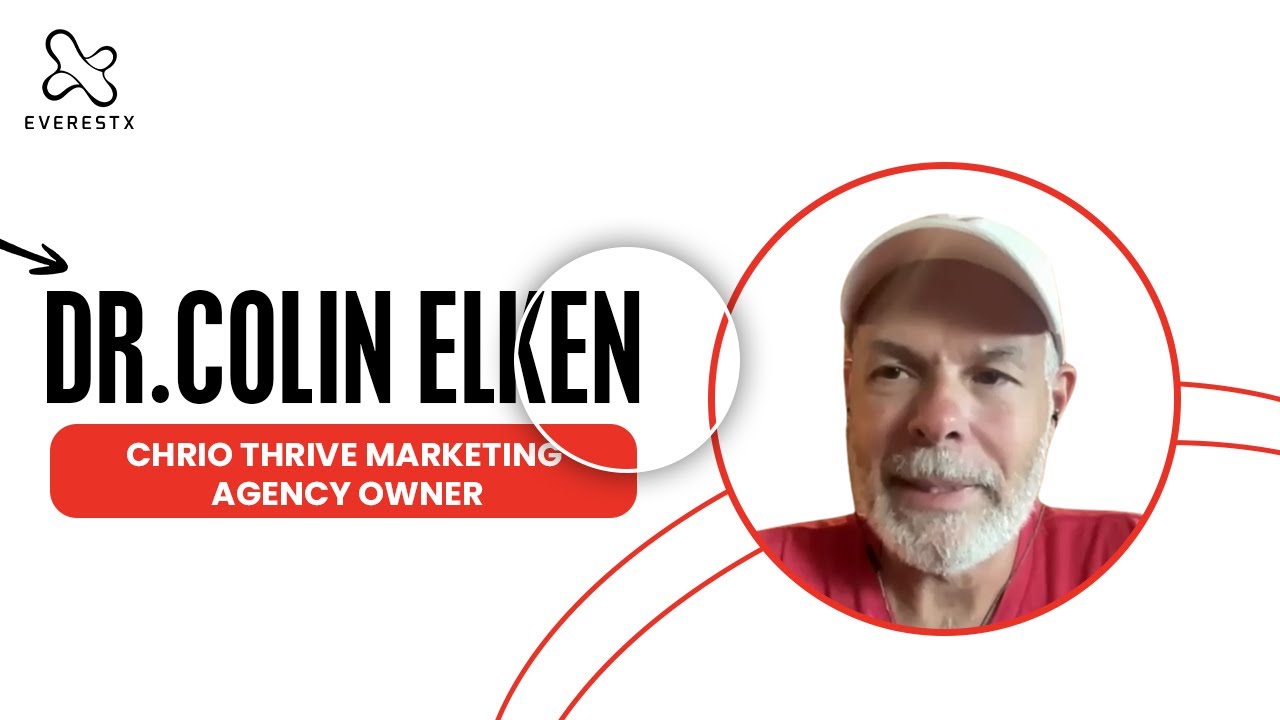
“He really acts as if he’s a part owner of the company. Owns up to mistakes right away, corrects them, and has done some wonderful work for us — frankly, helped us grow.”
Dr. Colin Elken
Agency Owner, Chirothrive Marketing Agency
Hired: Digital Marketing Specialist (Full-Time)
“He was a great team member with us for the last year. Definitely knows digital ads — very responsive and committed throughout.”
Jerry Martinez
President, Sunray Media Consultants
Hired: Performance Marketing Specialist (Full-Time)
“Saved us a ton of time on screening. The person they sent came in ready and picked up our stack fast — has been delivering consistently since week one.”
Rishi Patel
Senior Talent Operations Manager, RippleMatch
Hired: Paid Ads Specialist (Part-Time)
Ready to Hire a Creative Strategist?
Get matched with a vetted Creative Strategist in 48 hours. Try 1 week risk-free — no charge if not the right fit.
48-hour match guaranteed · Replacement at no cost · Cancel anytime