Hire a Social Media Strategist
Stop Posting Without Purpose — Hire a Social Media Strategist Who Builds the Roadmap
Most companies confuse social media activity with social media strategy. They hire someone to post three times a week, run a few boosted posts, and call it a social media program. Six months later, follower counts are flat, engagement is declining, and leadership is asking why social media isn't driving business results. The problem isn't effort — it's the absence of strategy.
Also known as
Social Media Strategy Consultant·Social Media Marketing Strategist·Social Media Planning Expert·Social Media Consultant
What Does a Social Media Strategist Do?
A social media strategist owns the strategic layer of your entire social media program — the thinking, planning, analysis, and decision-making that determines what gets executed, where, and why. Their work sits above day-to-day content creation and community management, providing the direction and framework that makes execution effective.
Social media auditing is typically the first deliverable
A strategist conducts a comprehensive audit of your existing social presence: analyzing historical performance data, benchmarking against competitors, evaluating content quality and consistency, assessing audience demographics and engagement patterns, and identifying gaps between your current activity and your business objectives. This audit produces a clear picture of what's working, what's wasted effort, and where the biggest opportunities lie.
Competitive analysis and market positioning follow the audit
A strategist maps your competitive landscape across every relevant platform — studying competitor content strategies, engagement rates, audience overlap, posting frequency, paid-organic mix, and influencer partnerships. They identify white space where your brand can differentiate and opportunities where competitors are underperforming. This analysis informs platform selection, content strategy, and positioning decisions.
Content pillar development is where strategy meets creative direction
Rather than ad-hoc content ideas, a strategist designs a structured content framework built around three to six content pillars — recurring themes that align with your brand positioning, audience interests, and business objectives. Each pillar has defined content formats, posting cadence, platform assignments, and KPIs. This framework ensures every piece of content serves a strategic purpose.
Platform selection strategy is a critical strategic decision that most businesses get wrong. A strategist evaluates each platform against your audience demographics, content capabilities, competitive positioning, and resource constraints — then recommends where to invest heavily, where to maintain a presence, and where to skip entirely. Being everywhere poorly is worse than being excellent on two platforms.
KPI framework design connects social activity to business outcomes
A strategist builds measurement frameworks that go beyond vanity metrics like followers and likes to track meaningful indicators: social-sourced website traffic, lead generation from social, content engagement rates by pillar, share of voice versus competitors, audience growth quality, and attribution of social touchpoints to pipeline and revenue.
Campaign planning and calendar architecture translate strategy into executable plans. A strategist designs quarterly and monthly campaign calendars that coordinate organic content, paid social promotion, influencer partnerships, and brand moments into a cohesive program. They define campaign objectives, creative briefs, audience targeting, budget allocation, and success metrics before any content is produced.
Influencer strategy development is increasingly central to the role
A strategist identifies the right tier of influencer partnerships (nano, micro, macro, or celebrity), designs collaboration frameworks, develops compensation models, and builds measurement systems that track influencer ROI beyond impressions — connecting partnerships to actual engagement, traffic, and conversions.
Paid-organic alignment ensures your paid social investment amplifies your organic strategy rather than running in parallel. A strategist designs frameworks where organic content testing informs paid creative decisions, paid amplification extends the reach of top-performing organic content, and budget allocation shifts based on what the organic data reveals about audience preferences and content performance.
Core Social Media Strategist Skills
Social Media Auditing & Analysis
CoreConducting comprehensive audits of existing social media presence including content performance analysis, audience demographic review, competitive benchmarking, platform-specific engagement assessment, and gap identification between current activity and business objectives. Translating audit findings into prioritized strategic recommendations.
Content Pillar Development
CoreDesigning structured content frameworks built around three to six recurring themes that align brand positioning, audience interests, and business objectives. Each pillar includes defined content formats, posting cadence, platform assignments, creative guidelines, and measurable KPIs.
Platform Strategy & Selection
CoreEvaluating social platforms against audience demographics, content capabilities, competitive dynamics, and resource constraints to recommend where to invest, maintain presence, or skip entirely. Understanding the algorithm mechanics, audience expectations, and growth levers unique to each platform.
Competitive Analysis
CoreMapping the competitive landscape across social platforms — analyzing competitor content strategies, engagement patterns, audience overlap, posting cadence, paid-organic mix, and influencer partnerships. Identifying differentiation opportunities, white space, and competitive vulnerabilities.
KPI Framework Design
CoreBuilding measurement systems that connect social activity to business outcomes beyond vanity metrics. Defining and tracking meaningful indicators including social-sourced traffic, lead generation, engagement quality, share of voice, audience growth quality, and attribution of social touchpoints to revenue.
Campaign Strategy & Planning
CoreDesigning quarterly and monthly campaign calendars that coordinate organic content, paid amplification, influencer partnerships, and brand moments into cohesive programs. Defining campaign objectives, audience targeting, budget allocation, creative briefs, and success metrics before execution begins.
Data-Driven Decision Making
CoreTranslating social media performance data into strategic insights and actionable recommendations. Identifying which content types, platforms, and audience segments drive business outcomes versus vanity engagement, and adjusting strategy based on evidence rather than assumptions.
Advanced Social Media Strategist Skills
Influencer Strategy Development
AdvancedIdentifying the right tier of influencer partnerships (nano, micro, macro, celebrity) for specific business objectives, designing collaboration frameworks and compensation models, and building measurement systems that track influencer ROI beyond impressions — connecting partnerships to engagement, traffic, and conversions.
Paid-Organic Alignment
AdvancedDesigning frameworks where organic content testing informs paid creative decisions, paid amplification extends top-performing organic content, and budget allocation shifts based on organic performance signals. Ensuring paid and organic social work as an integrated system rather than parallel silos.
Social Listening & Sentiment Analysis
AdvancedUsing social listening tools to monitor brand mentions, industry conversations, competitor activity, and audience sentiment at scale. Translating listening data into strategic decisions about content direction, crisis preparedness, product feedback, and competitive positioning.
Crisis Communication Strategy
AdvancedDeveloping crisis preparedness frameworks including response protocols, escalation procedures, stakeholder communication templates, and recovery strategies. Designing social media response plans for brand crises, PR incidents, and viral negative attention that protect brand reputation.
Cross-Channel Integration
AdvancedConnecting social media strategy to the broader marketing ecosystem — aligning with email marketing, content marketing, paid media, SEO, and brand communications to ensure consistent messaging and maximize amplification opportunities across every customer touchpoint.
Community Architecture
AdvancedDesigning strategic frameworks for building and nurturing brand communities on social platforms and owned channels. Defining community purpose, engagement models, content strategies, moderation frameworks, and growth tactics that create sustainable audience ecosystems beyond follower counts.
Social Media Strategist Tools & Platforms
Sprout Social
PrimaryEnterprise-grade social media management platform with deep analytics, social listening, competitive benchmarking, and reporting capabilities. The go-to tool for strategists who need to conduct audits, track KPIs across platforms, and deliver stakeholder-ready performance reports.
Hootsuite
PrimaryWidely adopted social media management platform with scheduling, monitoring, and analytics features across all major platforms. Strong integration ecosystem and team collaboration capabilities make it suitable for agencies and multi-brand management.
Brandwatch
OptionalAdvanced social listening and consumer intelligence platform that monitors brand mentions, competitive activity, industry trends, and audience sentiment across social media and the broader web. Essential for strategists who need data-driven insights at scale.
Google Analytics 4
PrimaryWeb analytics platform essential for measuring social-sourced traffic, conversion events, and revenue attribution. Strategists use GA4 to connect social media activity to website behavior and business outcomes, moving beyond platform-native vanity metrics.
Looker Studio (Google Data Studio)
OptionalDashboard and reporting tool for building cross-platform performance views that combine social media data with website analytics, CRM data, and paid media metrics into unified strategic reports for stakeholders.
Later
OptionalVisual content planning and scheduling tool with strong Instagram, TikTok, and Pinterest capabilities. Useful for strategists who need to visualize content grids, plan aesthetic consistency, and coordinate multi-platform publishing calendars.
CreatorIQ
OptionalEnterprise influencer marketing platform for discovering, managing, and measuring influencer partnerships at scale. Provides audience authenticity verification, campaign tracking, and ROI measurement across influencer collaborations.
Notion
OptionalFlexible workspace for building content strategy documentation, editorial calendars, campaign briefs, brand guidelines, and strategic playbooks. Widely used by strategists to create living strategy documents that teams can reference and update.
Canva
OptionalDesign platform used by strategists to create quick concept mockups, strategy presentations, and content templates that communicate creative direction to execution teams without requiring full design resources.
Rival IQ
OptionalCompetitive analytics platform that provides automated competitive benchmarking, social media landscape reports, and performance comparison data across all major social platforms. Useful for ongoing competitive monitoring and strategy validation.
Who Needs a Social Media Strategist?
Companies with stalled social media growth are the most common hiring trigger for a social media strategist. These are businesses that have been posting consistently for months or years but have plateaued — follower growth has flattened, engagement rates are declining, and social isn't generating measurable business results. They've usually tried adding more content volume or jumping on trends, but without a strategic framework, more activity just produces more noise. A strategist identifies the root causes of stagnation and builds a plan that creates momentum.
Brands expanding to new platforms represent a second major hiring segment. Launching on TikTok, entering LinkedIn for B2B lead generation, or building a YouTube strategy requires more than repurposing existing content. Each platform has its own audience expectations, algorithm dynamics, content formats, and growth mechanics. A strategist designs platform-specific strategies that account for these differences rather than applying a one-size-fits-all content approach that underperforms everywhere.
Agencies needing strategic leadership for client accounts hire social media strategists to elevate their service offering beyond community management and content creation. Many agencies can execute social media tasks but lack the strategic layer that connects activity to client business outcomes. A strategist provides the thinking that transforms an agency's social media service from a commodity into a strategic partnership that commands higher retainers and stronger client retention.
Companies with social media managers who need direction are a fourth major segment. Many businesses have capable community managers or content creators who are excellent at execution but lack the strategic vision to determine what they should be executing. A strategist provides the roadmap — the content pillars, platform priorities, campaign frameworks, and measurement systems — that allows execution-focused team members to work with purpose and clarity.
Companies preparing for major brand moments — product launches, rebrandings, funding announcements, market expansions, or crisis preparedness — need a strategist to design the social media component of these high-stakes initiatives. These are situations where the margin for error is thin and the audience attention is concentrated, requiring strategic planning that a social media manager typically isn't equipped to provide.
Organizations where social media is siloed from broader marketing commonly hire strategists to integrate social into the overall marketing function. When social operates independently from content marketing, email, paid media, and brand, the result is inconsistent messaging, duplicated effort, and missed amplification opportunities. A strategist connects social to the broader marketing ecosystem and ensures every channel reinforces the others.
How to Evaluate a Social Media Strategist
Start with a strategic thinking assessment. Give the candidate a realistic scenario: "A B2B SaaS company with 5,000 LinkedIn followers and 2,000 Instagram followers wants to double social-sourced demo requests in six months. They have one content creator and a $3,000/month paid social budget. What do you recommend?" A strong strategist immediately asks clarifying questions about the target audience, current conversion data, and competitor positioning — then recommends concentrating resources on LinkedIn (where B2B buyers actually convert), deprioritizing or pausing Instagram, and building a thought leadership content strategy tied to demo CTAs. A weak candidate tries to grow both platforms simultaneously and focuses on follower count instead of conversion metrics.
Request case study presentations. Ask candidates to walk through a social media strategy they've built from scratch. Strong strategists present the audit findings, the strategic decisions they made (and why), the framework they built, and the business outcomes that resulted. They can explain what they chose not to do as clearly as what they did. Look for evidence of strategic tradeoffs: platform deprioritization, content pillar cuts, audience narrowing, or budget reallocation. Candidates who present only growth metrics without connecting them to business objectives are managers, not strategists.
Test competitive analysis skills. Give the candidate two or three competitor social accounts and ask them to produce a brief competitive analysis with strategic recommendations. Strong strategists identify patterns in competitor content strategy, spot gaps in the competitive landscape, assess audience engagement quality (not just volume), and translate observations into actionable recommendations for differentiation. Weak candidates produce surface-level observations about posting frequency and follower counts.
Assess data analysis capabilities. Present the candidate with a set of social media performance data — engagement rates, reach, traffic, conversions — and ask them to identify the three most important insights and their strategic implications. Strong strategists quickly spot which content types drive business outcomes versus which drive vanity engagement, identify audience segments that are over- or under-served, and recommend specific strategic shifts based on the data. Candidates who focus on increasing the metrics that are already high without questioning whether those metrics matter are not strategic thinkers.
Evaluate scenario planning ability. Describe a brand crisis scenario and ask the candidate to outline the first 24 hours of social media response, plus the 30-day recovery plan. Strong strategists address immediate response protocol, stakeholder communication, content calendar adjustments, community management escalation, and the strategic approach to rebuilding audience trust over time. This tests both crisis preparedness thinking and the ability to plan beyond the immediate moment.
Probe for paid-organic integration thinking. Ask the candidate how they determine which organic content should receive paid amplification and how they allocate budget across platforms. Strong strategists describe a systematic approach: testing organically first, identifying top performers by engagement rate and business relevance, then amplifying the winners with paid spend targeted at lookalike or interest-based audiences. Candidates who treat paid and organic as separate disciplines are missing a critical strategic dimension.
Mistakes to Avoid When Hiring a Social Media Strategist
Pattern failures we see across hundreds of social media strategist engagements — and what to do instead.
Hiring on credentials instead of results
Certifications, agency names on a résumé, and tool fluency say nothing about whether a Social Media Strategist can move a metric. Ask for specific accounts, the starting state, the ending state, and the specialist's exact contribution. If they can't quantify outcomes, they likely didn't drive them.
Skipping the industry-experience question
Social Media Strategists who have worked in your industry compress the ramp from 90 days to 14. The patterns — buyer behavior, seasonality, channel mix, what creative wins — don't transfer across verticals as much as people assume. Always ask for at least one account in or adjacent to your industry.
Vague or absent success metrics
Hiring without defined success criteria is how 6-month engagements end with "we tried a bunch of stuff." Before signing, agree on 2-3 quantitative outcomes tied to your business (CPA at X, revenue lift of Y%, organic traffic to Z), the time window, and what failure looks like. Specialists who push back on this are signaling they don't want accountability.
Underweighting communication and async work habits
Even the best Social Media Strategist fails if you can't reach them, get a status update, or read their thinking. Especially for remote engagements, test their async habits explicitly: how do they document work, how often do they update, how do they handle escalation when something breaks. Bad communicators don't get better under pressure.
Over-paying for senior talent on early-stage work, or under-paying for strategic work
Both extremes waste money. A senior Social Media Strategist at $150/hr is a poor fit for tactical execution; a $25/hr generalist is a poor fit for setting up tracking, building attribution, or running diagnostics. Match the seniority of the hire to the actual problem — for most growing businesses, the sweet spot is a vetted mid-level specialist at managed-platform rates ($10–$16/hr through EverestX), not the cheapest or most senior option.
No replacement plan if the hire is the wrong fit
~25–30% of first-attempt marketing hires don't work out within 90 days. If your hiring process has no built-in path to replace without re-starting from scratch (re-recruiting, re-interviewing, re-onboarding), the cost of getting it wrong is 6-8 weeks of stalled execution. Build replacement into the engagement up-front, or hire through a platform that includes it by default.
Pricing Comparison
No upfront fees · no hiring fees · no platform fees — clients pay only for hours worked.
Full-time
$10–$12/hr
Mon–Fri, 8 hrs/day · 40 hrs/week
≈ $1,700–$2,100/mo
Part-time
$14–$16/hr
Mon–Fri, 4 hrs/day · 20 hrs/week
≈ $1,200–$1,400/mo
How that compares to freelancers and agencies
| Experience Level | Freelancer | Agency | EverestX |
|---|---|---|---|
Junior Social Media Strategist | $50-70/hr $3,000-$4,500/mo | $100-140/hr $6,000-$9,500/mo | $10–$12/hr $1,700–$2,100/mo |
Mid-Level Social Media Strategist | $70-100/hr $4,500-$7,500/mo | $140-200/hr $8,500-$14,000/mo | $10–$12/hr $1,700–$2,100/mo |
Senior Social Media Strategist | $100-130/hr $7,500-$12,000/mo | $200-280/hr $14,000-$22,000/mo | $10–$12/hr $1,700–$2,100/mo |
Expert / VP-Level Social Media Strategist | $130-175/hr $12,000-$20,000/mo | $280-400/hr $22,000-$35,000/mo | $10–$12/hr $1,700–$2,100/mo |
EverestX rate is flat across experience levels — within the band, exact rate depends on the specific talent's background and skills. Part-time engagements available at $14–$16/hr (20 hrs/week).
Common Social Media Strategist Challenges We Solve
Stop struggling with these pain points. Our vetted specialists deliver solutions from day one.
Problem
Social Media Without Strategy
Your team is posting consistently but without a clear strategic framework. Content topics are chosen ad-hoc, platforms are selected based on where everyone else is rather than where your audience converts, and there's no connection between what you post and what the business needs. Activity is high but results are nonexistent.
Solution
A strategist audits your current activity against business objectives, identifies which efforts are wasted, builds a content pillar framework aligned to business goals, and establishes KPIs that measure what matters. Most businesses discover that 40-60% of their social activity can be eliminated or redirected without losing engagement — and business-relevant metrics improve within 60-90 days.
Problem
Posting Without Purpose
Every post is a standalone effort — there's no overarching narrative, no content series, no strategic arc. Your social feed looks like it was made by five different people with five different ideas of what the brand should say. Followers see inconsistency, not a brand they want to engage with long-term.
Solution
A strategist designs content pillars that give every post a reason to exist. Each pillar serves a specific audience need and business objective, creating a cohesive brand narrative across platforms. This framework eliminates the "what should we post today?" problem and gives content creators clear direction that produces consistent, on-brand output.
Problem
Wrong Platforms for Your Audience
Your business is investing time and budget in platforms where your ideal customers don't spend time — or where the platform mechanics don't support your business model. A B2B company pouring resources into TikTok while ignoring LinkedIn, or an ecommerce brand maintaining a Twitter presence when their audience lives on Instagram and Pinterest.
Solution
A strategist conducts audience research and platform analysis to determine where your actual customers are, how they behave on each platform, and which platforms support your conversion model. They recommend concentrating resources on one to three priority platforms and either deprioritizing or exiting others — a decision that feels counterintuitive but consistently produces better results with the same or fewer resources.
Problem
Inconsistent Brand Voice Across Platforms
Your brand sounds different on every platform — formal on LinkedIn, completely different on Instagram, and unrecognizable on TikTok. This isn't strategic platform adaptation; it's the absence of brand guidelines applied to social. Audiences who encounter your brand across multiple platforms experience confusion rather than recognition.
Solution
A strategist develops a social brand voice framework that defines core brand personality attributes, then creates platform-specific adaptations that maintain brand recognition while respecting each platform's native communication style. The result is a brand that feels like the same company everywhere while speaking each platform's language fluently.
Problem
No Measurement Framework
Your social media reports are filled with vanity metrics — follower counts, likes, impressions — that have no clear connection to business outcomes. Leadership sees growing numbers but can't answer the question: "What is social media actually doing for our business?" This lack of measurement makes social vulnerable to budget cuts during downturns.
Solution
A strategist builds a KPI framework that connects social activity to business outcomes: social-sourced website traffic, lead generation, pipeline influence, customer acquisition, and retention. They implement proper UTM tracking, attribution models, and reporting dashboards that make social media's business contribution visible and defensible to stakeholders.
Problem
Social Not Tied to Business Goals
Social media operates in a silo — disconnected from the marketing funnel, sales process, and broader business objectives. The social team measures success by engagement rates while the business measures success by revenue. These two worlds never intersect, and social is perceived as a cost center rather than a growth driver.
Solution
A strategist integrates social media strategy into the broader marketing and business strategy. They design campaigns that support product launches, pipeline generation, customer retention, and brand awareness in ways that are directly measurable. Social becomes a strategic channel within the marketing mix rather than an isolated activity center.
Social Media Strategist vs Agency: Quick Comparison
Should you hire a dedicated Social Media Strategist or outsource to an agency? Here is how the two approaches compare across the dimensions that matter most. For a deeper analysis, read our full Social Media Strategist vs agency comparison.
Detailed Comparison
See how EverestX stacks up against hiring a freelancer or working with an agency.
| Dimension | Freelancer | Agency | EverestX |
|---|---|---|---|
Monthly Cost | $4,000-$12,000/mo | $8,000-$35,000/mo | $1,700–$2,100/mo full-time · $1,200–$1,400/mo part-time |
Hourly Rate | $50-$175/hr (freelancer) | $140-$400/hr (blended) | $10–$12/hr full-time · $14–$16/hr part-time (vetted) |
Strategic Depth | High — strategy is their entire focus | Medium — strategy bundled with execution | High — pre-vetted strategists |
Platform Expertise | Varies by candidate | Broad but shallow | Matched to your platform needs |
Direct Communication | Yes — direct access | No — account manager layer | Yes — direct access |
Accountability | Self-managed (risk) | Agency-managed (high overhead) | EverestX-managed (efficient) |
Speed to Launch | Fast (1-2 weeks) | Slow (4-8 weeks onboarding) | Fast (1-2 weeks) |
Business Outcome Focus | Depends on candidate | Often activity-metric focused | Business KPI aligned |
How EverestX Works
A streamlined process to get you from requirement to results in days, not months.
Tell Us What You Need
Submit your role requirements, budget, and timeline. Our team reviews every request to understand your exact needs.
Get Matched in 48 Hours
We match you with pre-vetted specialists from our talent pool. Review profiles, skills, and availability before deciding.
Start Working Together
Your specialist is onboarded with managed support. We handle contracts, payments, and ongoing quality assurance.
Social Media Strategist Hiring FAQs
What is the difference between a social media strategist and a social media manager?
A social media manager handles day-to-day execution: scheduling posts, responding to comments, creating content, and pulling weekly metrics. A social media strategist operates at a higher level — they audit your social presence, analyze the competitive landscape, design content frameworks, select platforms, build measurement systems, and create the strategic roadmap that managers execute against. Think of the strategist as the architect who designs the blueprint and the manager as the builder who constructs it. Most companies need both roles, but the strategist is the one who determines whether the overall program drives business results or just generates activity.
How quickly can a social media strategist impact my business?
The initial audit and strategy development typically takes 2-4 weeks, producing a comprehensive strategic plan with immediate tactical recommendations. Quick wins from eliminating wasted effort and redirecting resources to higher-impact activities often show results within 30-45 days. Strategic improvements — new content pillar performance, platform expansion, influencer partnerships — typically show measurable business impact within 60-120 days. Full strategic transformation of a social program takes 6-12 months as audience growth compounds and strategic frameworks are refined based on data.
Do I need a strategist if I already have a social media manager?
If your social media manager is producing content consistently but your social program is not driving measurable business results, a strategist is exactly what you need. Most social media managers are excellent at execution but lack the strategic training, analytical depth, or business-level perspective to build the frameworks that connect social activity to revenue. A strategist provides the roadmap — content pillars, platform priorities, campaign frameworks, and measurement systems — that transforms a manager from someone who posts content into someone who executes a growth strategy.
Can a social media strategist work across multiple platforms?
Yes — in fact, platform-agnostic strategic thinking is a core competency of the role. A strong social media strategist understands the algorithm mechanics, audience demographics, content formats, and growth levers of every major platform: Instagram, TikTok, LinkedIn, X (Twitter), YouTube, Pinterest, Facebook, and Threads. Their value is not platform-specific knowledge but the strategic ability to determine which platforms deserve investment, how to adapt content strategy for each, and how to coordinate a multi-platform presence into a cohesive program.
What deliverables should I expect from a social media strategist?
Key deliverables include a comprehensive social media audit report, competitive landscape analysis, content pillar framework with platform assignments, editorial calendar templates, campaign strategy briefs, KPI dashboards and reporting frameworks, brand voice guidelines for social, influencer strategy recommendations, paid-organic alignment framework, and quarterly strategic review presentations. The strategist produces the strategic documentation that guides execution — they are not typically responsible for creating individual posts or graphics.
How is a social media strategist different from a digital marketing strategist?
A digital marketing strategist works across all digital channels — paid media, email, SEO, content marketing, and social — providing broad strategic oversight. A social media strategist is a specialist who goes deep on social platforms specifically. They understand platform algorithms, content dynamics, community behavior, influencer ecosystems, and social-specific measurement at a level of detail that a broad digital strategist cannot match. If social media is a significant channel for your business, the depth of a social media strategist produces better outcomes than the breadth of a digital generalist.
What industries benefit most from hiring a social media strategist?
Every industry with a digital audience benefits, but social media strategists deliver the most pronounced impact for ecommerce and DTC brands (where social drives discovery and purchase), SaaS companies (where thought leadership and community build pipeline), agencies (who need strategic expertise across client accounts), consumer brands (where brand affinity drives repeat purchase), and media companies (where social drives audience growth and content distribution). B2B companies are increasingly hiring social media strategists as LinkedIn and video content become primary demand generation channels.
Should I hire a social media strategist full-time or on a fractional basis?
For most companies, a fractional or part-time social media strategist is more cost-effective than a full-time hire. Strategy work is front-loaded — the heaviest effort is during the initial audit, framework development, and strategy creation phase. Once the strategic foundation is built, ongoing strategy work involves quarterly planning, campaign strategy, performance analysis, and strategic adjustments that typically require 15-25 hours per month. Through EverestX, you can access senior-level strategic expertise at a fraction of the cost of a full-time hire, with the flexibility to scale engagement up during major initiatives.
More Ways to Get Social Media Strategist Help
Different intents, different pages — same vetted talent network underneath.
Buy it as a service
Social Media Strategist as a Managed Service
If you'd rather buy a service outcome than hire a person, see our social media strategist done-for-you service page.
Learn moreCompare alternatives
Best Social Media Strategist Agencies & Alternatives (2026)
Honest comparison of the top social media strategist vendors — EverestX vs Toptal vs Upwork vs agencies.
Learn moreCost & Pricing
Top Cities
- Social Media Strategist in New York
- Social Media Strategist in Los Angeles
- Social Media Strategist in Chicago
- Social Media Strategist in Houston
- Social Media Strategist in Austin
- Social Media Strategist in San Francisco
- Social Media Strategist in Seattle
- Social Media Strategist in Denver
- Social Media Strategist in Boston
- Social Media Strategist in Miami
Industries
- Social Media Strategist for E-commerce & DTC
- Social Media Strategist for SaaS & Technology
- Social Media Strategist for Healthcare & Medical
- Social Media Strategist for Finance & Fintech
- Social Media Strategist for Education & EdTech
- Social Media Strategist for Real Estate
- Social Media Strategist for Travel & Hospitality
- Social Media Strategist for Agency & Consulting
- Social Media Strategist for B2B Services
- Social Media Strategist for Consumer Products & CPG
- Social Media Strategist for Media & Entertainment
- Social Media Strategist for Nonprofit & NGO
Related Roles
Real clients, real outcomes
Hear it from teams
we work with.
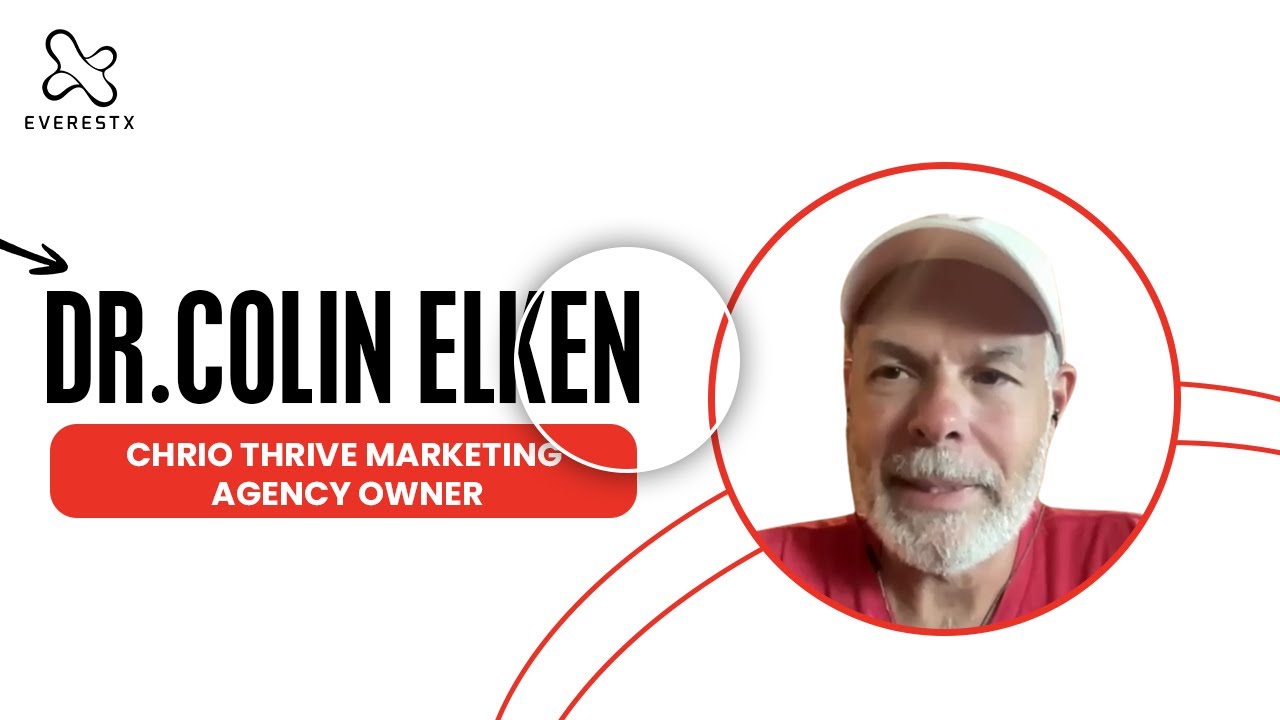
“He really acts as if he’s a part owner of the company. Owns up to mistakes right away, corrects them, and has done some wonderful work for us — frankly, helped us grow.”
Dr. Colin Elken
Agency Owner, Chirothrive Marketing Agency
Hired: Digital Marketing Specialist (Full-Time)
“He was a great team member with us for the last year. Definitely knows digital ads — very responsive and committed throughout.”
Jerry Martinez
President, Sunray Media Consultants
Hired: Performance Marketing Specialist (Full-Time)
“Saved us a ton of time on screening. The person they sent came in ready and picked up our stack fast — has been delivering consistently since week one.”
Rishi Patel
Senior Talent Operations Manager, RippleMatch
Hired: Paid Ads Specialist (Part-Time)
Ready to Hire a Social Media Strategist?
Get matched with a vetted Social Media Strategist in 48 hours. Try 1 week risk-free — no charge if not the right fit.
48-hour match guaranteed · Replacement at no cost · Cancel anytime