Hire a Demand Generation Specialist
Build a Predictable Pipeline That Turns Marketing Spend Into Qualified Revenue
The average B2B buying cycle stretches 6 to 12 months, involves 6 to 10 stakeholders, and 67% of the buyer journey now happens digitally before a prospect ever talks to sales. Yet most B2B companies still treat demand generation as a series of disconnected tactics — running Google Ads in one silo, sending email nurtures in another, and hoping the pipeline somehow fills itself. The result is unpredictable revenue, bloated customer acquisition costs, and a sales team that blames marketing for lead quality while marketing blames sales for not following up.
Also known as
Demand Gen Manager·Revenue Marketing Manager·Pipeline Marketing Specialist·Lead Generation Marketing Specialist·B2B Demand Generation Specialist
What Does a Demand Generation Specialist Do?
A demand generation specialist owns the strategy and execution of your entire marketing-to-revenue pipeline — from initial awareness through lead capture, nurturing, qualification, and handoff to sales. Their work spans strategic planning, multi-channel campaign management, marketing automation, data analysis, and tight collaboration with sales teams to ensure that marketing activity translates into real revenue.
Pipeline strategy and planning is the foundation
A demand gen specialist maps your ideal customer profile (ICP) and buyer personas, then designs a full-funnel marketing plan that aligns content, channels, and campaigns to each stage of the buying journey. They define what constitutes a marketing-qualified lead (MQL) versus a sales-qualified lead (SQL), build lead scoring models that reflect genuine buying intent, and establish service-level agreements (SLAs) between marketing and sales for lead follow-up timing and feedback loops. This strategic architecture is what separates demand generation from random lead collection.
Multi-channel campaign orchestration is where the strategy comes to life
Demand gen specialists plan and execute campaigns across paid search, paid social (especially LinkedIn for B2B), content syndication, webinars, events, email, SEO, and account-based marketing (ABM) programs. They don't just run campaigns in isolation — they coordinate touchpoints so a prospect who downloads a whitepaper gets a targeted LinkedIn ad, receives a nurture email sequence, and eventually gets a personalized outreach from an SDR, all within a cohesive experience that builds trust and urgency.
Content syndication and lead capture is a core competency
Demand gen specialists create or commission gated assets — whitepapers, industry reports, ROI calculators, webinars, and templates — that attract high-intent prospects. They manage distribution through owned channels, third-party syndication networks, and paid promotion. They optimize landing pages, forms, and conversion paths to maximize lead capture without creating friction that drives qualified visitors away.
Lead scoring and nurture architecture is where demand gen specialists deliver their highest long-term leverage. They build scoring models in marketing automation platforms that assign points based on demographic fit (job title, company size, industry) and behavioral signals (content downloads, page visits, email engagement, webinar attendance). They design multi-stage nurture sequences that deliver increasingly specific content as prospects move deeper into the funnel — from educational thought leadership at the top to product comparison guides and case studies at the bottom.
Marketing-sales alignment is a critical ongoing responsibility
Demand gen specialists facilitate regular pipeline review meetings, build shared dashboards that both teams trust, define and refine MQL-to-SQL handoff criteria, and create feedback loops so sales can report which leads are actually converting and why. This alignment work is often the single highest-leverage activity — companies where marketing and sales are tightly aligned achieve 38% higher win rates according to MarketingProfs.
Attribution modeling and performance analytics close the loop
Demand gen specialists implement multi-touch attribution models that credit each marketing touchpoint for its contribution to pipeline and revenue. They track cost per lead, cost per MQL, cost per opportunity, pipeline velocity, and marketing-sourced revenue. They use this data to reallocate budget toward high-performing channels and shut down programs that generate volume without quality. Their reporting connects every marketing dollar to pipeline outcomes, giving leadership the confidence to invest in what's working.
Technology stack management is an often-overlooked part of the role
Demand gen specialists configure and optimize marketing automation platforms (HubSpot, Marketo, Pardot), manage CRM integrations with Salesforce or HubSpot CRM, implement intent data platforms like 6sense or Bombora, and ensure clean data flows between systems. They're the operational backbone that keeps the pipeline engine running smoothly.
Core Demand Generation Specialist Skills
Pipeline Strategy & Funnel Architecture
CoreDesigning the complete marketing-to-revenue pipeline — from ICP definition and buyer persona mapping through lead capture, scoring, nurturing, and sales handoff. Building funnel models that predict pipeline output from marketing inputs and identify conversion bottlenecks at each stage.
Lead Scoring & Qualification
CoreBuilding and refining scoring models in marketing automation platforms that assign points based on demographic fit (title, company size, industry) and behavioral signals (content engagement, website visits, email opens). Defining MQL/SQL thresholds and continuously calibrating based on actual sales conversion data.
Multi-Channel Campaign Management
CorePlanning, launching, and optimizing demand generation campaigns across paid search, paid social (LinkedIn, Meta), content syndication, email, webinars, events, and ABM programs. Coordinating cross-channel touchpoints into cohesive buyer journeys rather than siloed tactics.
Marketing Automation & Nurture Sequences
CoreDesigning and building automated nurture workflows that deliver stage-appropriate content to prospects based on their scoring, behavior, and position in the buying cycle. Configuring drip campaigns, trigger-based sends, and multi-branch logic in HubSpot, Marketo, or Pardot.
Marketing-Sales Alignment
CoreEstablishing shared definitions for MQL, SQL, and SAL between marketing and sales. Building SLAs for lead follow-up timing, creating feedback loops for lead quality reporting, and facilitating regular pipeline review meetings that keep both teams accountable to shared revenue targets.
Attribution & Revenue Analytics
CoreImplementing multi-touch attribution models that connect marketing activity to pipeline and revenue outcomes. Tracking cost per lead, cost per MQL, cost per opportunity, pipeline velocity, and marketing-sourced versus marketing-influenced revenue. Building dashboards that give leadership confidence in marketing ROI.
Advanced Demand Generation Specialist Skills
Account-Based Marketing (ABM)
AdvancedDesigning and executing ABM programs that target specific high-value accounts with personalized campaigns across display, LinkedIn, email, and direct mail. Coordinating marketing and sales outreach to key accounts using intent signals and engagement scoring at the account level.
Intent Data & Predictive Analytics
AdvancedLeveraging third-party intent data from platforms like 6sense, Bombora, or G2 to identify accounts actively researching your category. Using predictive models to prioritize accounts by likelihood to buy and timing marketing engagement to surging intent signals.
Revenue Operations (RevOps) Integration
AdvancedAligning marketing automation, CRM, and sales engagement platforms into a unified revenue technology stack. Building data flows that provide end-to-end visibility from first touch to closed deal, enabling accurate attribution and pipeline forecasting across the entire revenue engine.
Content Strategy for Demand Gen
AdvancedDeveloping a content engine that produces funnel-stage-specific assets — top-of-funnel thought leadership, mid-funnel comparison guides and case studies, and bottom-of-funnel ROI calculators and product demos — that power lead capture and nurture programs at scale.
Paid Media for Pipeline
AdvancedManaging paid channels (LinkedIn Ads, Google Ads, programmatic display) specifically for pipeline outcomes rather than vanity metrics. Optimizing campaigns to cost-per-opportunity and marketing-sourced revenue rather than cost-per-click, using offline conversion tracking and CRM-synced audiences.
International & Multi-Market Demand Gen
AdvancedBuilding and scaling demand generation programs across multiple geographic markets simultaneously, adapting messaging, channel mix, and content to regional buyer behaviors while maintaining centralized pipeline reporting and attribution.
Demand Generation Specialist Tools & Platforms
HubSpot
PrimaryAll-in-one marketing automation and CRM platform with lead scoring, email sequences, landing pages, workflow automation, and built-in attribution reporting. The dominant choice for mid-market B2B demand generation programs, offering strong marketing-sales alignment features out of the box.
Marketo
PrimaryEnterprise-grade marketing automation platform with advanced lead scoring, sophisticated nurture workflow capabilities, and deep Salesforce integration. Preferred by larger organizations running complex multi-touch demand generation programs with high lead volumes.
6sense
PrimaryAI-powered account engagement platform that provides intent data, predictive analytics, and account identification. Enables demand gen specialists to identify anonymous buying signals, prioritize accounts by purchase readiness, and orchestrate ABM campaigns based on real-time intent.
Salesforce
PrimaryThe standard B2B CRM for pipeline management, opportunity tracking, and revenue reporting. Essential for demand gen specialists who need to track leads from marketing-sourced through closed-won, build campaign attribution, and report on marketing-influenced pipeline.
LinkedIn Ads
PrimaryThe primary paid channel for B2B demand generation, offering targeting by job title, company size, industry, and seniority. Used for sponsored content, lead gen forms, conversation ads, and account-targeted campaigns that drive qualified leads from professional audiences.
Google Ads
OptionalSearch and display advertising platform used for capturing high-intent demand through keyword targeting and reaching audiences through programmatic display and YouTube. Essential for demand capture campaigns targeting prospects actively searching for solutions.
Bombora
OptionalB2B intent data platform that monitors content consumption across thousands of websites to identify companies actively researching specific topics. Used to prioritize target accounts and trigger timely outreach based on surging intent signals.
Drift / Qualified
OptionalConversational marketing platforms that use chatbots and live chat to engage website visitors in real time, qualify prospects through conversational flows, and route high-intent visitors directly to sales — accelerating pipeline velocity from website traffic.
Tableau / Looker
OptionalBusiness intelligence and data visualization platforms used for building custom attribution dashboards, pipeline reporting, and marketing performance analytics that go beyond native platform reporting capabilities.
ZoomInfo
OptionalB2B contact and company intelligence platform used for building targeted prospect lists, enriching lead data, and identifying decision-makers within target accounts for ABM and outbound demand generation campaigns.
Who Needs a Demand Generation Specialist?
B2B SaaS companies are the most natural fit for a demand generation specialist. SaaS businesses with $2M-50M ARR typically reach a stage where founder-led sales and inbound marketing alone can't sustain growth targets. They need someone who can build a repeatable pipeline engine — defining ICP, implementing lead scoring, building nurture sequences, launching ABM programs, and creating the reporting infrastructure that connects marketing spend to ARR. A demand gen specialist at this stage often becomes the highest-leverage marketing hire a SaaS company can make.
Enterprise and mid-market companies with complex, multi-stakeholder sales cycles rely on demand generation to fill pipelines that their sales teams can't fill alone through outbound prospecting. When average deal sizes exceed $50,000 and buying committees include 6-10 people, the sales cycle requires sustained multi-channel engagement over months. A demand gen specialist builds the air cover — the webinars, thought leadership, targeted ads, and nurture campaigns — that keep your brand top of mind during the 80% of the buying journey that happens before a prospect ever fills out a demo request form.
Private equity and venture-backed growth-stage businesses face a specific demand gen challenge: they need to scale pipeline predictably to hit aggressive growth targets, often with lean marketing teams. PE-backed companies in particular need demand gen specialists who can quickly audit existing programs, identify the highest-ROI channels, implement proper attribution, and show measurable pipeline impact within 90 days. The ability to build fast, measure rigorously, and optimize continuously is critical for these organizations where marketing efficiency directly affects valuation multiples.
Professional services firms — management consultancies, accounting firms, legal practices, IT services companies — need demand generation to move beyond referral-dependent growth. These firms typically have strong expertise but weak marketing infrastructure. A demand gen specialist helps them build thought leadership content programs, webinar strategies, and nurture sequences that position them as trusted advisors and generate a steady flow of qualified opportunities that complement their referral networks.
Companies where marketing and sales are misaligned are among the most impactful engagements for a demand gen specialist. When sales complains about lead quality and marketing complains about follow-up speed, the root cause is almost always a lack of shared definitions, scoring models, and accountability structures. A demand gen specialist serves as the bridge — establishing MQL and SQL criteria that both teams agree on, building SLAs for lead response times, creating feedback loops, and implementing shared dashboards. This alignment work alone can increase pipeline conversion rates by 30-50%.
Businesses expanding into new markets or launching new products need demand gen specialists to build pipeline from scratch in unfamiliar territories. Whether entering a new geographic market, launching an adjacent product line, or moving upmarket from SMB to enterprise, the demand gen specialist designs and executes the go-to-market campaigns that generate initial pipeline, tests messaging and channel mix, and iterates based on early data to find the positioning that resonates with new buyer segments.
How to Evaluate a Demand Generation Specialist
Start with a pipeline architecture conversation. Ask the candidate: "Walk me through how you'd build a demand generation program from scratch for a B2B SaaS company with $5M ARR, a 90-day average sales cycle, and no existing marketing automation." Strong candidates will begin with ICP definition and buyer persona mapping, then move to tech stack selection, lead scoring model design, channel prioritization, content strategy by funnel stage, and sales alignment processes — in that order. Weak candidates jump straight to tactics (LinkedIn Ads, webinars) without establishing the strategic foundation.
Test their understanding of marketing-sales alignment. Ask: "How do you define an MQL? How do you handle disagreements between marketing and sales about lead quality?" A strong demand gen specialist will describe a process — not a static definition. They'll talk about implementing lead scoring based on both fit and behavior, establishing SLAs for lead follow-up, creating feedback loops where sales dispositions flow back to marketing, and running regular pipeline review meetings where definitions get refined based on actual conversion data. Candidates who describe MQLs as a fixed checklist rather than an evolving framework lack the sophistication needed for the role.
Evaluate their attribution methodology. Ask: "Your CEO wants to know which marketing channel generates the most revenue. How do you answer that question?" Strong candidates will discuss multi-touch attribution models (linear, U-shaped, W-shaped, time-decay), explain the tradeoffs of each, describe how they implement UTM tracking and CRM campaign attribution, and acknowledge the limitations of any single model. They'll also talk about marketing-influenced pipeline versus marketing-sourced pipeline and why both metrics matter. Candidates who default to last-click attribution or can't explain influence tracking will struggle to prove marketing ROI.
Ask for a real pipeline example. "Tell me about a demand generation program you built or significantly improved. What was pipeline value when you started, what did it reach, and what were the three highest-impact changes you made?" Strong answers include specific numbers (pipeline value, conversion rates, cost per opportunity), a clear before/after narrative, and an honest assessment of what worked and what didn't. Be skeptical of candidates who claim credit for massive pipeline growth without being able to explain the mechanics.
Request a 90-day plan. Give them your actual business context — your ICP, average deal size, current marketing stack, and pipeline targets — and ask them to outline what they'd do in their first 90 days. Strong candidates will propose an audit phase (weeks 1-3), a quick-win execution phase (weeks 4-8), and a strategic build phase (weeks 9-12). They'll prioritize fixing lead scoring and sales handoff before launching new campaigns, because generating more leads into a broken funnel is the most common demand gen mistake.
Assess their technical fluency. Can they configure lead scoring in HubSpot or Marketo? Have they integrated marketing automation with Salesforce? Do they understand intent data platforms like 6sense or Bombora? Can they build attribution reporting in a BI tool? Demand gen is an inherently technical discipline — candidates who are purely strategic without hands-on platform experience will struggle to execute independently.
Mistakes to Avoid When Hiring a Demand Generation Specialist
Pattern failures we see across hundreds of demand generation specialist engagements — and what to do instead.
Hiring on credentials instead of results
Certifications, agency names on a résumé, and tool fluency say nothing about whether a Demand Generation Specialist can move a metric. Ask for specific accounts, the starting state, the ending state, and the specialist's exact contribution. If they can't quantify outcomes, they likely didn't drive them.
Skipping the industry-experience question
Demand Generation Specialists who have worked in your industry compress the ramp from 90 days to 14. The patterns — buyer behavior, seasonality, channel mix, what creative wins — don't transfer across verticals as much as people assume. Always ask for at least one account in or adjacent to your industry.
Vague or absent success metrics
Hiring without defined success criteria is how 6-month engagements end with "we tried a bunch of stuff." Before signing, agree on 2-3 quantitative outcomes tied to your business (CPA at X, revenue lift of Y%, organic traffic to Z), the time window, and what failure looks like. Specialists who push back on this are signaling they don't want accountability.
Underweighting communication and async work habits
Even the best Demand Generation Specialist fails if you can't reach them, get a status update, or read their thinking. Especially for remote engagements, test their async habits explicitly: how do they document work, how often do they update, how do they handle escalation when something breaks. Bad communicators don't get better under pressure.
Over-paying for senior talent on early-stage work, or under-paying for strategic work
Both extremes waste money. A senior Demand Generation Specialist at $150/hr is a poor fit for tactical execution; a $25/hr generalist is a poor fit for setting up tracking, building attribution, or running diagnostics. Match the seniority of the hire to the actual problem — for most growing businesses, the sweet spot is a vetted mid-level specialist at managed-platform rates ($10–$16/hr through EverestX), not the cheapest or most senior option.
No replacement plan if the hire is the wrong fit
~25–30% of first-attempt marketing hires don't work out within 90 days. If your hiring process has no built-in path to replace without re-starting from scratch (re-recruiting, re-interviewing, re-onboarding), the cost of getting it wrong is 6-8 weeks of stalled execution. Build replacement into the engagement up-front, or hire through a platform that includes it by default.
Pricing Comparison
No upfront fees · no hiring fees · no platform fees — clients pay only for hours worked.
Full-time
$10–$12/hr
Mon–Fri, 8 hrs/day · 40 hrs/week
≈ $1,700–$2,100/mo
Part-time
$14–$16/hr
Mon–Fri, 4 hrs/day · 20 hrs/week
≈ $1,200–$1,400/mo
How that compares to freelancers and agencies
| Experience Level | Freelancer | Agency | EverestX |
|---|---|---|---|
Junior Demand Generation Specialist | $40–65/hr $3,000–$5,000/mo | $100–150/hr $8,000–$12,000/mo | $10–$12/hr $1,700–$2,100/mo |
Mid-Level Demand Generation Specialist | $65–100/hr $5,000–$8,000/mo | $150–220/hr $10,000–$18,000/mo | $10–$12/hr $1,700–$2,100/mo |
Senior Demand Generation Manager | $100–150/hr $8,000–$14,000/mo | $200–300/hr $15,000–$25,000/mo | $10–$12/hr $1,700–$2,100/mo |
Expert / VP Demand Generation | $150–225/hr $14,000–$22,000/mo | $280–400/hr $22,000–$35,000/mo | $10–$12/hr $1,700–$2,100/mo |
EverestX rate is flat across experience levels — within the band, exact rate depends on the specific talent's background and skills. Part-time engagements available at $14–$16/hr (20 hrs/week).
Common Demand Generation Specialist Challenges We Solve
Stop struggling with these pain points. Our vetted specialists deliver solutions from day one.
Problem
Pipeline Is Unpredictable Month to Month
Revenue targets require a steady flow of qualified opportunities, but marketing-sourced pipeline fluctuates wildly from month to month. Some months the sales team has too many leads to follow up on; other months they have nothing. This volatility makes revenue forecasting unreliable and forces sales leaders into expensive outbound hiring cycles to compensate.
Solution
A demand gen specialist builds a diversified channel mix that generates pipeline consistently across paid, organic, and relationship-driven programs. They implement pipeline forecasting models that predict output based on historical conversion rates and current activity levels, enabling proactive adjustments before pipeline gaps hit. Most programs achieve predictable pipeline generation within 4-6 months of specialist management.
Problem
Marketing Generates Leads But Not Revenue
The marketing team reports impressive lead volumes and MQL numbers, but the sales team says the leads are unqualified, and pipeline attribution shows marketing contributing less than 20% of closed revenue. The disconnect between lead volume and revenue impact erodes confidence in marketing and puts budgets at risk.
Solution
A demand gen specialist rebuilds the lead scoring model to weight behavioral signals (pricing page visits, demo requests, case study downloads) over demographic data alone. They establish feedback loops where sales dispositions flow back to marketing, enabling continuous scoring refinement. They also implement multi-touch attribution that shows marketing influence on pipeline, not just first-touch lead capture — revealing marketing's true revenue contribution.
Problem
Marketing and Sales Are Misaligned
Sales blames marketing for sending bad leads. Marketing blames sales for not following up fast enough. There are no shared definitions for MQL and SQL, no SLAs for lead response time, and no regular meetings where both teams review pipeline together. This dysfunction wastes budget and erodes morale on both sides.
Solution
A demand gen specialist serves as the operational bridge between marketing and sales. They establish shared definitions for each pipeline stage, implement SLAs (e.g., sales must follow up on MQLs within 4 hours), build shared dashboards in CRM, and facilitate weekly pipeline review meetings. Companies that achieve marketing-sales alignment see 38% higher win rates and 36% higher customer retention.
Problem
No Attribution — Can't Prove Marketing ROI
Leadership asks "What is marketing doing for us?" and the marketing team can only show vanity metrics — impressions, clicks, leads — without connecting them to pipeline and revenue. Without attribution, marketing budgets get cut during downturns because there's no data to justify the spend.
Solution
A demand gen specialist implements multi-touch attribution from day one, tracking every marketing touchpoint from first anonymous visit through closed deal. They build campaign-level ROI reporting in CRM, set up UTM frameworks for digital channels, and create executive dashboards that show cost per opportunity and marketing-sourced revenue. This data transforms marketing from a perceived cost center into a measurable revenue driver.
Problem
Over-Reliance on a Single Channel
Many B2B companies generate 70-80% of their pipeline from a single source — typically referrals, one paid channel, or outbound SDR activity. This concentration risk means that any disruption to that channel (algorithm change, market saturation, SDR turnover) creates an immediate pipeline crisis.
Solution
A demand gen specialist systematically diversifies pipeline sources by building programs across paid search, LinkedIn Ads, content syndication, webinars, organic SEO, email nurture, ABM, and partner channels. They measure each channel's contribution to pipeline and continuously reallocate budget toward the highest-performing programs while maintaining enough diversification to protect against single-channel dependency.
Problem
Long Sales Cycles With No Nurture Strategy
Prospects enter the funnel but go cold because there's no systematic way to stay engaged during a 6-12 month buying cycle. Sales reps manually follow up with some prospects but inevitably let most slip through the cracks. High-intent leads go to competitors who maintained engagement during the consideration phase.
Solution
A demand gen specialist designs automated nurture sequences that deliver stage-appropriate content over the full length of the buying cycle — educational content for early-stage prospects, case studies and ROI data for mid-stage, and product-specific information for late-stage. These sequences run automatically, keeping your brand top-of-mind and building trust until the prospect is ready to engage with sales.
Demand Generation Specialist vs Agency: Quick Comparison
Should you hire a dedicated Demand Generation Specialist or outsource to an agency? Here is how the two approaches compare across the dimensions that matter most. For a deeper analysis, read our full Demand Generation Specialist vs agency comparison.
Detailed Comparison
See how EverestX stacks up against hiring a freelancer or working with an agency.
| Dimension | Freelancer | Agency | EverestX |
|---|---|---|---|
Monthly Cost | $4,500–$14,000/mo | $10,000–$30,000/mo (+ media) | $1,700–$2,100/mo full-time · $1,200–$1,400/mo part-time |
Hourly Rate | $65–$150/hr (freelancer) | $150–$400/hr (blended) | $10–$12/hr full-time · $14–$16/hr part-time (vetted) |
Pipeline Strategy Depth | High — dedicated focus | Medium — shared across clients | High — pre-vetted specialists |
Marketing-Sales Integration | Deep — embedded in team | Surface — arms-length reporting | Deep — direct team integration |
Direct Communication | Yes — direct access | No — account manager layer | Yes — direct access |
Attribution & Reporting | Custom to your stack | Standardized agency templates | Custom to your stack |
Speed to Impact | Fast (2-4 weeks to first optimizations) | Slow (6-8 weeks onboarding) | Fast (2-4 weeks) |
Program Continuity | Risk if specialist unavailable | Agency-managed but opaque | Managed continuity included |
How EverestX Works
A streamlined process to get you from requirement to results in days, not months.
Tell Us What You Need
Submit your role requirements, budget, and timeline. Our team reviews every request to understand your exact needs.
Get Matched in 48 Hours
We match you with pre-vetted specialists from our talent pool. Review profiles, skills, and availability before deciding.
Start Working Together
Your specialist is onboarded with managed support. We handle contracts, payments, and ongoing quality assurance.
Demand Generation Specialist Hiring FAQs
What does a demand generation specialist do day-to-day?
A demand gen specialist's typical week includes analyzing pipeline metrics and campaign performance, optimizing active campaigns across paid and organic channels, building and refining nurture sequences in marketing automation, meeting with sales to review lead quality and pipeline health, creating or commissioning campaign content (landing pages, emails, ads), managing lead scoring and list segmentation, and building attribution reports for leadership. They balance strategic planning with hands-on campaign execution, spending roughly 40% of their time on analysis and strategy and 60% on building and optimizing programs.
What is the difference between demand generation and lead generation?
Lead generation focuses narrowly on capturing contact information — getting someone to fill out a form. Demand generation is the broader discipline that encompasses creating awareness, building trust, educating prospects, and nurturing them through a complete buying journey until they become qualified pipeline for sales. Lead generation is one tactic within a demand gen strategy. A demand gen specialist builds the full system: content strategy, channel mix, lead scoring, nurture sequences, sales alignment, and attribution — not just the form fills.
How long before a demand generation program produces measurable results?
Quick wins from optimizing existing campaigns, fixing lead scoring, and improving sales handoff processes typically show within 30-60 days. New campaign programs (paid, content syndication, webinars) usually need 60-90 days to generate meaningful pipeline. The full impact of a demand gen strategy — including organic content, SEO, ABM, and compounding nurture effects — takes 4-6 months to materialize. B2B demand gen is inherently a longer-cycle discipline; the companies that see the best results commit to at least 6 months of sustained investment.
Do I need a demand gen specialist if I already have a marketing team?
Most marketing teams have content creators, social media managers, and perhaps a paid media specialist — but lack someone whose entire job is connecting these activities to pipeline and revenue. A demand gen specialist provides the strategic layer that sits above individual channel execution. They ensure every marketing activity ladders up to pipeline targets, build the scoring and nurture infrastructure that converts activity into opportunity, and create the attribution framework that proves ROI. Without this connecting layer, marketing teams often generate activity without accountability to revenue.
What marketing technology stack does a demand generation specialist need?
At minimum: a marketing automation platform (HubSpot, Marketo, or Pardot) for lead scoring, nurture sequences, and campaign management; a CRM (Salesforce or HubSpot CRM) for pipeline tracking and attribution; and a paid media platform (LinkedIn Ads at minimum for B2B). More advanced programs add intent data (6sense, Bombora), conversational marketing (Drift, Qualified), BI tools (Tableau, Looker), and ABM orchestration platforms. A demand gen specialist should be fluent in your existing stack and able to recommend additions that deliver clear ROI.
How is demand generation different from growth marketing?
Demand generation is specifically focused on building pipeline for sales teams — it's most relevant for B2B companies with sales-assisted buying processes. Growth marketing is a broader discipline that encompasses any lever for growing revenue, including product-led growth, conversion rate optimization, retention, and expansion. In practice, demand gen specialists tend to focus on the marketing-to-sales handoff and pipeline metrics, while growth marketers often focus on full-funnel experimentation and product-marketing integration. For B2B companies with dedicated sales teams, demand gen is typically the more relevant hire.
Can a demand generation specialist also manage content creation?
A demand gen specialist strategizes and commissions content — they determine what assets are needed at each funnel stage, write creative briefs, and ensure content is distributed and gated effectively. However, most demand gen specialists are not full-time content writers or designers. They're best paired with a content creator or freelance writer who produces the assets while the demand gen specialist focuses on strategy, distribution, nurture architecture, and pipeline analytics. Asking a demand gen specialist to both write blog posts and manage pipeline is a common mistake that dilutes their strategic impact.
More Ways to Get Demand Generation Specialist Help
Different intents, different pages — same vetted talent network underneath.
Buy it as a service
Demand Generation Specialist as a Managed Service
If you'd rather buy a service outcome than hire a person, see our demand generation specialist done-for-you service page.
Learn moreCompare alternatives
Best Demand Generation Specialist Agencies & Alternatives (2026)
Honest comparison of the top demand generation specialist vendors — EverestX vs Toptal vs Upwork vs agencies.
Learn moreCost & Pricing
Top Cities
- Demand Generation Specialist in New York
- Demand Generation Specialist in Los Angeles
- Demand Generation Specialist in Chicago
- Demand Generation Specialist in Houston
- Demand Generation Specialist in Austin
- Demand Generation Specialist in San Francisco
- Demand Generation Specialist in Seattle
- Demand Generation Specialist in Denver
- Demand Generation Specialist in Boston
- Demand Generation Specialist in Miami
Industries
- Demand Generation Specialist for E-commerce & DTC
- Demand Generation Specialist for SaaS & Technology
- Demand Generation Specialist for Healthcare & Medical
- Demand Generation Specialist for Finance & Fintech
- Demand Generation Specialist for Education & EdTech
- Demand Generation Specialist for Real Estate
- Demand Generation Specialist for Travel & Hospitality
- Demand Generation Specialist for Agency & Consulting
- Demand Generation Specialist for B2B Services
- Demand Generation Specialist for Consumer Products & CPG
- Demand Generation Specialist for Media & Entertainment
- Demand Generation Specialist for Nonprofit & NGO
Related Roles
Real clients, real outcomes
Hear it from teams
we work with.
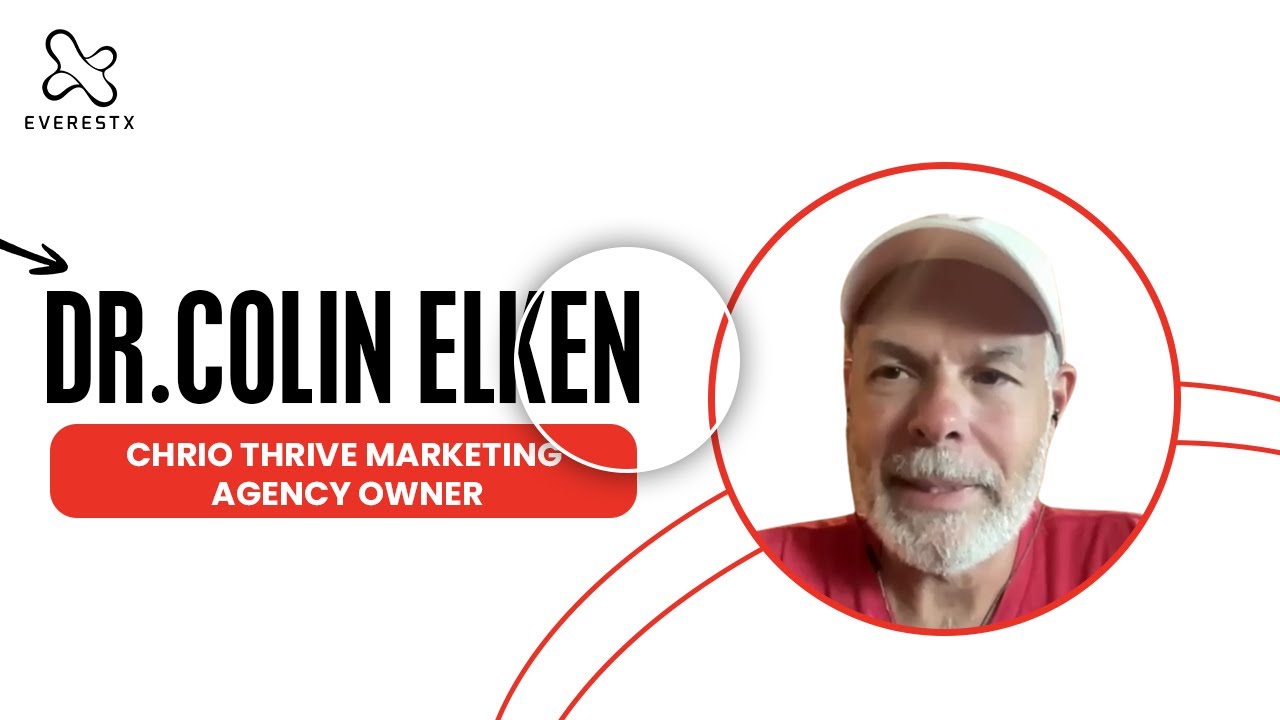
“He really acts as if he’s a part owner of the company. Owns up to mistakes right away, corrects them, and has done some wonderful work for us — frankly, helped us grow.”
Dr. Colin Elken
Agency Owner, Chirothrive Marketing Agency
Hired: Digital Marketing Specialist (Full-Time)
“He was a great team member with us for the last year. Definitely knows digital ads — very responsive and committed throughout.”
Jerry Martinez
President, Sunray Media Consultants
Hired: Performance Marketing Specialist (Full-Time)
“Saved us a ton of time on screening. The person they sent came in ready and picked up our stack fast — has been delivering consistently since week one.”
Rishi Patel
Senior Talent Operations Manager, RippleMatch
Hired: Paid Ads Specialist (Part-Time)
Tutorials
Want to do this yourself? Here is how
Free, step-by-step tutorials covering the tools this role works in. If at any point you would rather hand it off, our specialists are above.
Calendly
When to hire a Calendly specialist — an honest checklist
DIY Calendly is fine when you're a solo founder. The moment you have multiple reps, routing logic, or a CRM that needs to stay clean, you're past the DIY ceiling. Here's the honest framework for when to make the call.
Apollo.io
When to hire an Apollo specialist — an honest checklist
DIY Apollo is a fine idea — until it isn't. This is the honest framework: when the cost of self-managing exceeds the cost of hiring, and how to tell which side you're on.
Lemlist
When to hire a cold email / demand-gen specialist — an honest checklist
DIY cold outbound works — until it doesn't. This is the honest framework: when the cost of self-managing exceeds the cost of hiring, and how to tell which side you're on right now.
Instantly
Instantly vs lemlist vs Smartlead: which cold email platform should you pick?
Three cold email platforms. Instantly wins on multi-inbox scale + lead finder. lemlist wins on multichannel + branding. Smartlead wins on deliverability + price. This walks the framework specialists use to recommend.
Ready to Hire a Demand Generation Specialist?
Get matched with a vetted Demand Generation Specialist in 48 hours. Try 1 week risk-free — no charge if not the right fit.
48-hour match guaranteed · Replacement at no cost · Cancel anytime