Hire a Fractional CMO
C-Suite Marketing Leadership Without the $350K Salary
The fractional CMO model has exploded — adoption is up 80% year-over-year, and 47% of startups now rely on fractional marketing leadership to drive growth without the burden of a full-time executive hire. Gartner projects that over 30% of midsize enterprises will employ a fractional C-suite executive by 2027. This isn't a trend — it's a structural shift in how companies access strategic marketing leadership, and the companies that move early are building compounding advantages over competitors still debating whether to post a $350K job listing.
Also known as
Part-Time CMO·Interim CMO·Virtual CMO·Outsourced CMO·On-Demand CMO
What Does a Fractional CMO Do?
A fractional CMO operates as your company's senior marketing executive on a part-time or contract basis — typically 10–20 hours per week. Unlike a consultant who advises from the outside, a fractional CMO integrates into your leadership team, owns the marketing strategy, and is accountable for results. They bring the strategic vision, operational experience, and leadership presence of a $300K+ executive without the full-time commitment or cost.
The engagement typically begins with a strategic audit. Within the first 2–4 weeks, a fractional CMO conducts a comprehensive assessment of your current marketing function: reviewing existing campaigns and their performance data, auditing the marketing tech stack, evaluating team capabilities and gaps, analyzing competitive positioning, and mapping the customer journey from awareness through purchase. This audit produces a prioritized roadmap — not a generic playbook, but a specific plan tied to your revenue targets, market position, and resource constraints.
Channel strategy and budget allocation is where a fractional CMO's experience creates the most immediate impact. They've seen which channels actually drive pipeline for companies at your stage and in your vertical. They know that a $2M ARR B2B SaaS company should not be spending 60% of its marketing budget on brand awareness campaigns. They understand when to double down on content-led SEO versus paid acquisition versus partner marketing versus event-driven demand generation. This pattern recognition — built over years of leading marketing across multiple companies — prevents the costly trial-and-error that companies without senior marketing leadership inevitably endure.
Team leadership and organizational design is a core function
A fractional CMO assesses whether you need to hire a demand generation manager, a content strategist, or a marketing operations specialist — and in what order. They write job descriptions, lead the interview process, onboard new hires, and set performance expectations. For companies using agencies or freelancers, the fractional CMO manages vendor relationships, negotiates contracts, evaluates deliverables, and decides when to bring capabilities in-house versus continuing to outsource. They build the marketing organization that will eventually operate independently.
Vendor and agency management represents a significant portion of the value a fractional CMO delivers. Most growing companies work with 3–8 external marketing partners: a paid media agency, an SEO firm, a PR agency, a design contractor, a content writer, a web developer. Without senior marketing leadership, these vendors operate in silos, duplicate efforts, and optimize for their own channel metrics rather than business outcomes. A fractional CMO aligns all external partners around shared objectives, eliminates redundant spend, and holds vendors accountable to KPIs that matter.
Board and executive reporting closes the strategic loop
A fractional CMO builds the reporting frameworks that connect marketing activity to business outcomes — pipeline generated, customer acquisition cost, lifetime value, payback period, marketing-sourced versus marketing-influenced revenue. They present to the board or investors with the credibility and analytical rigor that founders and CEOs often struggle to deliver on marketing topics. This reporting discipline creates organizational alignment and ensures marketing investment decisions are made with data, not intuition.
Growth roadmap execution is the ongoing work that turns strategy into revenue
A fractional CMO doesn't just plan — they execute through the team and vendors they've assembled. They run weekly marketing stand-ups, review campaign performance, adjust budgets in real-time, and course-correct when strategies aren't producing expected results. They bring the operational cadence and accountability structures that separate high-performing marketing organizations from those that stay perpetually stuck in "planning mode."
Core Fractional CMO Skills
Marketing Strategy & Planning
CoreDeveloping comprehensive marketing strategies aligned to business objectives, revenue targets, and competitive positioning. Includes market analysis, customer segmentation, channel prioritization, budget allocation, and building 12–24 month roadmaps that translate vision into executable quarterly plans.
Team Building & Leadership
CoreAssessing marketing team gaps, defining roles, hiring key positions, onboarding new team members, and setting performance expectations. Includes mentoring existing staff, managing underperformance, and designing organizational structures that scale with company growth.
Revenue Attribution & Analytics
CoreBuilding marketing measurement frameworks that connect activity to pipeline and revenue. Includes implementing multi-touch attribution models, defining KPIs by funnel stage, building executive dashboards, and translating data into investment decisions for the CEO and board.
Demand Generation & Pipeline Strategy
CoreArchitecting multi-channel demand generation programs that produce qualified pipeline consistently. Includes inbound and outbound strategy, content marketing, paid acquisition, events, partnerships, and ABM — with the judgment to know which levers to pull at each company stage.
Brand Positioning & Messaging
CoreCrafting differentiated positioning, messaging frameworks, and value propositions that resonate with target buyers. Includes competitive analysis, customer research, narrative development, and ensuring consistent messaging across all channels and sales materials.
Budget Management & Resource Allocation
CoreManaging marketing budgets from $50K to $5M+ annually with clear ROI expectations per channel. Includes vendor negotiations, make-versus-buy decisions, scenario planning for budget cuts or expansion, and financial reporting that demonstrates marketing efficiency to leadership.
Advanced Fractional CMO Skills
Go-to-Market Strategy
AdvancedDesigning and executing go-to-market plans for new products, market segments, or geographic expansions. Includes launch sequencing, pricing strategy input, channel partner development, and coordinating marketing with product and sales for maximum market impact.
Board & Investor Communication
AdvancedPreparing and presenting marketing performance, pipeline forecasts, and growth strategies to board members and investors. Includes building board-ready reporting packages, defending marketing budget requests, and communicating complex marketing dynamics to non-marketing stakeholders.
Marketing Technology Architecture
AdvancedEvaluating, selecting, and integrating marketing technology stacks — CRM, marketing automation, analytics, attribution, CMS, and data platforms. Includes vendor evaluation frameworks, implementation oversight, and ensuring the tech stack scales with company growth.
Sales & Marketing Alignment
AdvancedBuilding the operating rhythms, shared definitions (MQL, SQL, opportunity), SLA structures, and feedback loops that align marketing and sales around common revenue targets. Includes designing lead handoff processes and joint pipeline review cadences.
M&A Marketing Integration
AdvancedLeading marketing integration for mergers and acquisitions — consolidating brands, unifying messaging, merging tech stacks, rationalizing vendor relationships, and restructuring combined marketing teams. Critical for PE portfolio companies and roll-up strategies.
International Market Expansion
AdvancedAdapting marketing strategy for international market entry — including localization, regional channel preferences, cultural messaging adaptation, and building local marketing capabilities through hires or agency partnerships in new geographies.
Fractional CMO Tools & Platforms
HubSpot
PrimaryThe dominant CRM and marketing automation platform for mid-market B2B companies. Fractional CMOs use HubSpot to build pipeline reporting, manage marketing automation, track attribution, and create the operational infrastructure that connects marketing activity to revenue.
Salesforce
PrimaryEnterprise CRM used by larger organizations and PE-backed companies. Fractional CMOs work with Salesforce to build marketing-sourced pipeline reports, configure lead scoring, and ensure marketing and sales operate from a shared data foundation.
Google Analytics 4
PrimaryWeb analytics platform essential for understanding traffic sources, user behavior, conversion paths, and channel attribution. Fractional CMOs use GA4 to build the measurement infrastructure that proves which marketing investments are generating returns.
Tableau / Looker
PrimaryBusiness intelligence platforms used to build executive marketing dashboards that combine data from CRM, advertising platforms, web analytics, and financial systems into unified reporting views for leadership and board presentations.
Marketo
OptionalEnterprise marketing automation platform used by larger B2B organizations with complex lead scoring, nurture programs, and multi-touch attribution requirements that exceed HubSpot's native capabilities.
SEMrush / Ahrefs
OptionalSEO and competitive intelligence platforms used by fractional CMOs to audit organic search performance, analyze competitor content strategies, and identify high-leverage keyword opportunities that inform content marketing investment decisions.
Asana / Monday.com
OptionalProject management platforms used to coordinate marketing team workflows, manage campaign calendars, track deliverables across vendors and internal team members, and maintain operational cadence across the marketing function.
Gong / Chorus
OptionalConversation intelligence platforms that give fractional CMOs direct insight into how sales conversations unfold — informing messaging refinement, competitive positioning updates, and content strategy based on real buyer language and objections.
Figma
OptionalDesign collaboration platform used to review and approve brand assets, campaign creative, and website designs. Fractional CMOs use Figma to provide creative direction and maintain brand consistency without needing to do hands-on design work.
Who Needs a Fractional CMO?
Venture-backed startups between seed and Series B are the most common fractional CMO clients — and for good reason. These companies have raised capital to grow, but haven't yet reached the revenue scale ($15M–$25M ARR) where a full-time CMO is justified. The founder has been leading marketing by instinct, the team consists of 1–3 junior marketers executing tactics without a cohesive strategy, and the board is asking increasingly pointed questions about customer acquisition cost and marketing ROI. A fractional CMO gives these companies the strategic leadership to deploy capital efficiently, build a scalable marketing function, and hit the growth milestones that unlock the next funding round — at a fraction of the cost of a premature full-time executive hire.
Private equity portfolio companies represent a rapidly growing segment of the fractional CMO market. PE firms acquire companies and need to accelerate growth within a defined hold period — typically 3–7 years. Many of their portfolio companies have never had a dedicated marketing executive, relying instead on the founder's sales relationships or a small team of tactical marketers. A fractional CMO is the fastest way for a PE operating partner to install marketing leadership across the portfolio: conducting the initial marketing audit, building the 100-day plan, hiring key roles, and setting the growth trajectory — all without the time and cost of a full executive search for each portfolio company.
Mid-market companies ($5M–$100M revenue) that have outgrown their current marketing capabilities are a third major segment. These businesses often have a marketing manager or director who is strong tactically but lacks the strategic experience to lead the next phase of growth. The company knows it needs senior marketing leadership, but isn't sure whether to hire a VP of Marketing, a CMO, or restructure the existing team. A fractional CMO serves as a bridge: they provide the strategic direction immediately, mentor existing team members, and help the company determine what permanent leadership structure makes sense for the next 2–3 years.
Companies between CMOs face a specific and urgent need. When a marketing leader departs — whether through resignation, termination, or restructuring — the marketing function can drift for 3–6 months during the search for a replacement. Campaigns lose coherence, team morale drops, vendor relationships deteriorate, and pipeline dries up. A fractional CMO fills this gap immediately, maintaining strategic continuity and operational cadence while the company conducts a thorough search for its next permanent leader. Some companies discover during this interim period that fractional leadership is actually the better permanent model.
Agencies and professional services firms looking to productize or scale represent a fifth segment. These businesses understand marketing conceptually but struggle to market themselves — the proverbial cobbler's children. A fractional CMO builds the firm's own growth engine: positioning, content strategy, lead generation, partnership development, and client retention programs. They bring the outside perspective and discipline that's nearly impossible to generate internally when the entire team is focused on client delivery.
Companies launching new products, entering new markets, or navigating pivots need experienced marketing leadership for a defined period. Launching a B2B product into an adjacent vertical, expanding from domestic to international markets, or pivoting from a services model to a product model all require marketing strategy that most existing teams aren't equipped to develop. A fractional CMO with relevant market experience compresses the learning curve, avoids costly positioning mistakes, and accelerates time-to-revenue in the new market.
How to Evaluate a Fractional CMO
Start with operating history, not consulting credentials. The most important question to ask a fractional CMO candidate is: "Tell me about the last three companies where you owned the marketing number. What was the revenue when you started, what was it when you finished, and what did you build?" Strong candidates will walk you through specific scenarios — how they inherited a $3M pipeline and grew it to $12M, the team they built, the channels that worked, the ones that didn't, and why. Weak candidates speak in frameworks and theory. You're hiring an operator, not an advisor.
Evaluate strategic prioritization skills with a real scenario. Give the candidate your actual situation — revenue, team size, current channels, budget, growth target — and ask them to outline their first 90 days. A strong fractional CMO will ask clarifying questions about your sales cycle, customer profile, competitive landscape, and existing data. They'll prioritize ruthlessly: "I'd kill these two channels immediately because they're not producing pipeline at your stage. I'd double investment here because the data shows it's working. I'd hire this role first because it's the bottleneck." Candidates who try to do everything in parallel or who can't articulate what they wouldn't do are showing you how they'll burn your budget.
Test their team-building and management approach. A fractional CMO's effectiveness depends entirely on their ability to build, lead, and develop the team and vendors who execute daily. Ask: "If I gave you a $15,000/month marketing budget and one junior marketer, how would you structure the function to hit $500K in pipeline over the next 12 months?" Strong answers demonstrate vendor selection criteria, role prioritization, clear accountability structures, and realistic timelines. They'll talk about the specific sequence of hires or vendor engagements, not just a theoretical org chart.
Probe their measurement and attribution philosophy. A fractional CMO must build the reporting infrastructure that proves marketing's value to the CEO and board. Ask how they've set up marketing attribution in past roles, how they handle the tension between last-touch and multi-touch attribution models, and how they communicate marketing results to non-marketing executives. The best candidates have strong opinions on what to measure at different company stages — and they understand that perfect attribution is impossible, so they design pragmatic frameworks that give leadership enough data to make confident investment decisions.
Check their vendor and agency management track record. Most fractional CMO engagements involve inheriting or selecting external partners. Ask about a time they fired an agency, a time they defended an agency's performance to a skeptical CEO, and how they evaluate agency versus in-house for specific capabilities. You want someone who manages vendors as strategic partners — not someone who either rubber-stamps agency recommendations or micromanages deliverables.
Assess cultural fit and communication style. A fractional CMO who can't get the CEO's trust, align with the sales leader, and inspire the marketing team will fail regardless of their strategic brilliance. Ask for references from CEOs and sales leaders at previous engagements — not just from the marketers they managed. The strongest fractional CMOs are direct communicators who can push back on executive assumptions respectfully, deliver bad news about campaign performance without sugarcoating, and build genuine relationships with the team despite not being there full-time.
Mistakes to Avoid When Hiring a Fractional CMO
Pattern failures we see across hundreds of fractional cmo engagements — and what to do instead.
Hiring on credentials instead of results
Certifications, agency names on a résumé, and tool fluency say nothing about whether a Fractional CMO can move a metric. Ask for specific accounts, the starting state, the ending state, and the specialist's exact contribution. If they can't quantify outcomes, they likely didn't drive them.
Skipping the industry-experience question
Fractional CMOs who have worked in your industry compress the ramp from 90 days to 14. The patterns — buyer behavior, seasonality, channel mix, what creative wins — don't transfer across verticals as much as people assume. Always ask for at least one account in or adjacent to your industry.
Vague or absent success metrics
Hiring without defined success criteria is how 6-month engagements end with "we tried a bunch of stuff." Before signing, agree on 2-3 quantitative outcomes tied to your business (CPA at X, revenue lift of Y%, organic traffic to Z), the time window, and what failure looks like. Specialists who push back on this are signaling they don't want accountability.
Underweighting communication and async work habits
Even the best Fractional CMO fails if you can't reach them, get a status update, or read their thinking. Especially for remote engagements, test their async habits explicitly: how do they document work, how often do they update, how do they handle escalation when something breaks. Bad communicators don't get better under pressure.
Over-paying for senior talent on early-stage work, or under-paying for strategic work
Both extremes waste money. A senior Fractional CMO at $150/hr is a poor fit for tactical execution; a $25/hr generalist is a poor fit for setting up tracking, building attribution, or running diagnostics. Match the seniority of the hire to the actual problem — for most growing businesses, the sweet spot is a vetted mid-level specialist at managed-platform rates ($10–$16/hr through EverestX), not the cheapest or most senior option.
No replacement plan if the hire is the wrong fit
~25–30% of first-attempt marketing hires don't work out within 90 days. If your hiring process has no built-in path to replace without re-starting from scratch (re-recruiting, re-interviewing, re-onboarding), the cost of getting it wrong is 6-8 weeks of stalled execution. Build replacement into the engagement up-front, or hire through a platform that includes it by default.
Pricing Comparison
No upfront fees · no hiring fees · no platform fees — clients pay only for hours worked.
Full-time
$10–$12/hr
Mon–Fri, 8 hrs/day · 40 hrs/week
≈ $1,700–$2,100/mo
Part-time
$14–$16/hr
Mon–Fri, 4 hrs/day · 20 hrs/week
≈ $1,200–$1,400/mo
How that compares to freelancers and agencies
| Experience Level | Freelancer | Agency | EverestX |
|---|---|---|---|
Junior / Emerging Fractional CMO | $150–200/hr $5,000–$8,000/mo | $250–350/hr $10,000–$15,000/mo | $10–$12/hr $1,700–$2,100/mo |
Mid-Level Fractional CMO | $200–300/hr $7,000–$12,000/mo | $350–500/hr $14,000–$22,000/mo | $10–$12/hr $1,700–$2,100/mo |
Senior Fractional CMO | $300–400/hr $10,000–$16,000/mo | $500–700/hr $20,000–$30,000/mo | $10–$12/hr $1,700–$2,100/mo |
Expert / C-Suite Fractional CMO | $400–500/hr $15,000–$20,000/mo | $700–1,000/hr $28,000–$45,000/mo | $10–$12/hr $1,700–$2,100/mo |
EverestX rate is flat across experience levels — within the band, exact rate depends on the specific talent's background and skills. Part-time engagements available at $14–$16/hr (20 hrs/week).
Common Fractional CMO Challenges We Solve
Stop struggling with these pain points. Our vetted specialists deliver solutions from day one.
Problem
No Marketing Strategy — Just Tactics
The team is executing campaigns — running ads, posting on social, sending emails — but there's no cohesive strategy connecting these activities to revenue. Marketing feels busy but isn't producing predictable pipeline. The CEO can't answer "what's our marketing strategy?" in a board meeting because there isn't one.
Solution
A fractional CMO conducts a strategic audit within the first 30 days, identifies the 2–3 highest-leverage channels for your stage and market, kills underperforming activities, and builds a 12-month roadmap with quarterly milestones tied to pipeline and revenue targets. Within 90 days, the entire team is aligned around a clear strategy with measurable objectives.
Problem
Can't Justify a $350K Full-Time CMO
The company needs senior marketing leadership but isn't at the revenue stage ($25M+) where a full-time CMO makes financial sense. Hiring a VP of Marketing feels like settling, but a CMO salary plus equity, benefits, and recruiter fees would consume a disproportionate share of the marketing budget.
Solution
A fractional CMO provides the same strategic caliber at $5,000–$20,000/month — 50–85% less than a full-time hire. They work 10–20 hours per week, focusing exclusively on the highest-value activities: strategy, team building, vendor management, and executive reporting. As the company scales, the fractional CMO can help hire and transition to a full-time leader when the economics justify it.
Problem
Marketing Team Without Senior Leadership
You have 2–5 marketers who are skilled executors — content writers, demand gen managers, designers — but no one setting direction. Campaigns lack coherence, team members operate in silos, and there's no one who can translate CEO vision into marketing plans or advocate for marketing investment at the leadership table.
Solution
A fractional CMO becomes the team's strategic leader: setting quarterly priorities, running weekly team stand-ups, providing campaign direction, mentoring junior staff, and representing marketing in executive meetings. They turn a group of individual contributors into a coordinated marketing function with clear ownership, accountability, and career development paths.
Problem
Wasting Money on Agencies with No Oversight
The company spends $10,000–$50,000/month across multiple agencies — paid media, SEO, PR, content — but no one internally has the expertise to evaluate whether these agencies are performing. Reports look good on vanity metrics, but pipeline isn't growing. Agencies optimize for their own channel instead of business outcomes.
Solution
A fractional CMO audits all vendor relationships within the first 30 days, establishes shared KPIs tied to business outcomes, consolidates redundant vendors, renegotiates contracts, and implements monthly vendor performance reviews. Companies typically see 20–40% improvement in agency ROI within 90 days simply by having someone with the expertise to manage vendors strategically.
Problem
Founder-Led Marketing That Can't Scale
The CEO or founder has been driving marketing through personal brand, network, and instinct — and it worked to get to $1M–$5M. But the approach doesn't scale. The founder doesn't have time to manage marketing and run the company. Growth has plateaued, and the team needs a repeatable demand generation engine that doesn't depend on the founder's personal involvement.
Solution
A fractional CMO extracts the founder's institutional knowledge — what messaging resonates, which channels work, who the ideal customer is — and systematizes it into a marketing playbook, repeatable campaigns, and a team structure that generates pipeline independently. The founder transitions from marketing operator to marketing sponsor, freeing their time for product, fundraising, and leadership.
Problem
Post-Funding Pressure to Scale Quickly
The company just raised a Series A or B, and the board expects rapid growth. There's capital to invest in marketing, but no senior leader to deploy it effectively. The risk of burning $500K–$1M on unfocused marketing spend in the first 12 months is real — and common. Investors are asking for a marketing plan and pipeline projections that the current team can't produce.
Solution
A fractional CMO builds the post-funding marketing plan within 30–60 days: channel strategy, budget allocation, hiring plan, vendor selection, and pipeline projections by quarter. They deploy capital methodically — proving channel economics with small tests before scaling spend — and provide the board-ready reporting that investors expect. Companies with fractional CMOs post-funding typically achieve 2–3x better capital efficiency on marketing spend versus those without senior marketing leadership.
Fractional CMO vs Agency: Quick Comparison
Should you hire a dedicated Fractional CMO or outsource to an agency? Here is how the two approaches compare across the dimensions that matter most. For a deeper analysis, read our full Fractional CMO vs agency comparison.
Detailed Comparison
See how EverestX stacks up against hiring a freelancer or working with an agency.
| Dimension | Freelancer | Agency | EverestX |
|---|---|---|---|
Monthly Cost | $5,000–$20,000/mo | $15,000–$50,000/mo | $1,700–$2,100/mo full-time · $1,200–$1,400/mo part-time |
Hourly Rate | $200–$500/hr (independent) | $350–$1,000/hr (blended) | $10–$12/hr full-time · $14–$16/hr part-time (vetted) |
Strategic Depth | High — dedicated C-suite leader | Low — junior strategists | High — pre-vetted executives |
Execution Capability | Directs, does not execute | Full execution team included | Directs + can pair with EverestX specialists |
Business Context | Deep — embedded in leadership team | Shallow — account manager relay | Deep — embedded with accountability |
Vendor Objectivity | Fully objective — no conflict of interest | Conflicted — recommends own services | Fully objective — platform-neutral |
Authority Level | Can hire, fire, reallocate budget | Can only recommend | Full executive authority |
Time to Impact | 30–90 days (strategy + quick wins) | 60–120 days (onboarding heavy) | 30–90 days (fast matching) |
Institutional Knowledge | Stays with your company | Stays with the agency | Stays with your company |
How EverestX Works
A streamlined process to get you from requirement to results in days, not months.
Tell Us What You Need
Submit your role requirements, budget, and timeline. Our team reviews every request to understand your exact needs.
Get Matched in 48 Hours
We match you with pre-vetted specialists from our talent pool. Review profiles, skills, and availability before deciding.
Start Working Together
Your specialist is onboarded with managed support. We handle contracts, payments, and ongoing quality assurance.
Fractional CMO Hiring FAQs
What exactly does a fractional CMO do that a marketing consultant doesn't?
A marketing consultant advises — they analyze your situation, deliver a strategy document, and leave you to implement it. A fractional CMO operates — they embed into your leadership team, own the marketing strategy, manage the team and vendors who execute it, and are accountable for hitting pipeline and revenue targets. They attend your executive meetings, run weekly marketing stand-ups, make hiring decisions, and course-correct when campaigns underperform. The difference is ownership: a consultant tells you what to do, a fractional CMO does it with you.
How many hours per week does a fractional CMO typically work?
Most fractional CMO engagements range from 10–20 hours per week, depending on the complexity of the marketing challenge and the maturity of the existing team. Companies with no marketing team or infrastructure typically need 15–20 hours/week in the first 90 days (heavy strategy, hiring, and setup), tapering to 10–15 hours/week once the team and systems are operational. Some engagements scale down to 5–10 hours/week in a steady-state advisory capacity after the initial build phase.
How long does a typical fractional CMO engagement last?
The average engagement runs 6–18 months. The first 90 days focus on audit, strategy, and quick wins. Months 3–9 focus on building the team, implementing systems, and scaling what works. Months 9–18 focus on optimization, scaling, and — in many cases — transitioning to a full-time marketing leader the fractional CMO has helped hire and onboard. Some companies maintain fractional CMO relationships for 2+ years because the model continues to deliver value without the overhead of a full-time executive.
Can a fractional CMO work with my existing marketing team?
Absolutely — this is one of the most common engagement models. A fractional CMO provides the strategic leadership layer that most marketing teams lack. They give your content marketer, demand gen manager, and social media specialist the direction, priorities, and accountability structures they need to perform at a higher level. The fractional CMO runs the team, not around it. Most existing team members welcome the addition of a senior leader who can advocate for marketing at the executive level, provide career mentorship, and bring strategic clarity to their daily work.
What kind of companies benefit most from a fractional CMO?
The sweet spot is companies between $2M–$50M in revenue that need senior marketing leadership but can't justify — or don't yet need — a full-time CMO. This includes venture-backed startups (seed through Series B), PE portfolio companies undergoing growth initiatives, mid-market businesses scaling beyond founder-led marketing, and companies between permanent CMOs who need interim leadership. Companies with fewer than 50 employees and marketing teams of 1–10 people get the highest ROI from fractional CMO engagements.
How do I measure the ROI of a fractional CMO?
Measure a fractional CMO the same way you'd measure a full-time one: pipeline generated, customer acquisition cost, marketing-sourced revenue, and marketing efficiency ratio (marketing spend / revenue generated). In the first 90 days, leading indicators include strategy clarity, team productivity improvements, vendor rationalization savings, and the quality of reporting frameworks built. By month 6, you should see measurable improvements in pipeline volume and quality. The best fractional CMOs build the measurement infrastructure that makes their own ROI transparent.
What's the difference between a fractional CMO and a VP of Marketing?
A VP of Marketing is typically a full-time hire focused on execution management — overseeing campaigns, managing the marketing team's daily work, and reporting to the CEO on performance. A fractional CMO operates at a higher strategic level: setting the marketing vision, making investment decisions, building the organizational structure, and connecting marketing to company-wide business strategy. Many fractional CMO engagements eventually lead to hiring a VP of Marketing who executes the strategy the fractional CMO designed — with the fractional CMO transitioning to a lighter advisory role.
More Ways to Get Fractional CMO Help
Different intents, different pages — same vetted talent network underneath.
Buy it as a service
Fractional CMO as a Managed Service
If you'd rather buy a service outcome than hire a person, see our fractional cmo done-for-you service page.
Learn moreCompare alternatives
Best Fractional CMO Agencies & Alternatives (2026)
Honest comparison of the top fractional cmo vendors — EverestX vs Toptal vs Upwork vs agencies.
Learn moreCost & Pricing
Compare
Top Cities
Industries
- Fractional CMO for E-commerce & DTC
- Fractional CMO for SaaS & Technology
- Fractional CMO for Healthcare & Medical
- Fractional CMO for Finance & Fintech
- Fractional CMO for Education & EdTech
- Fractional CMO for Real Estate
- Fractional CMO for Travel & Hospitality
- Fractional CMO for Agency & Consulting
- Fractional CMO for B2B Services
- Fractional CMO for Consumer Products & CPG
- Fractional CMO for Media & Entertainment
- Fractional CMO for Nonprofit & NGO
Related Roles
Real clients, real outcomes
Hear it from teams
we work with.
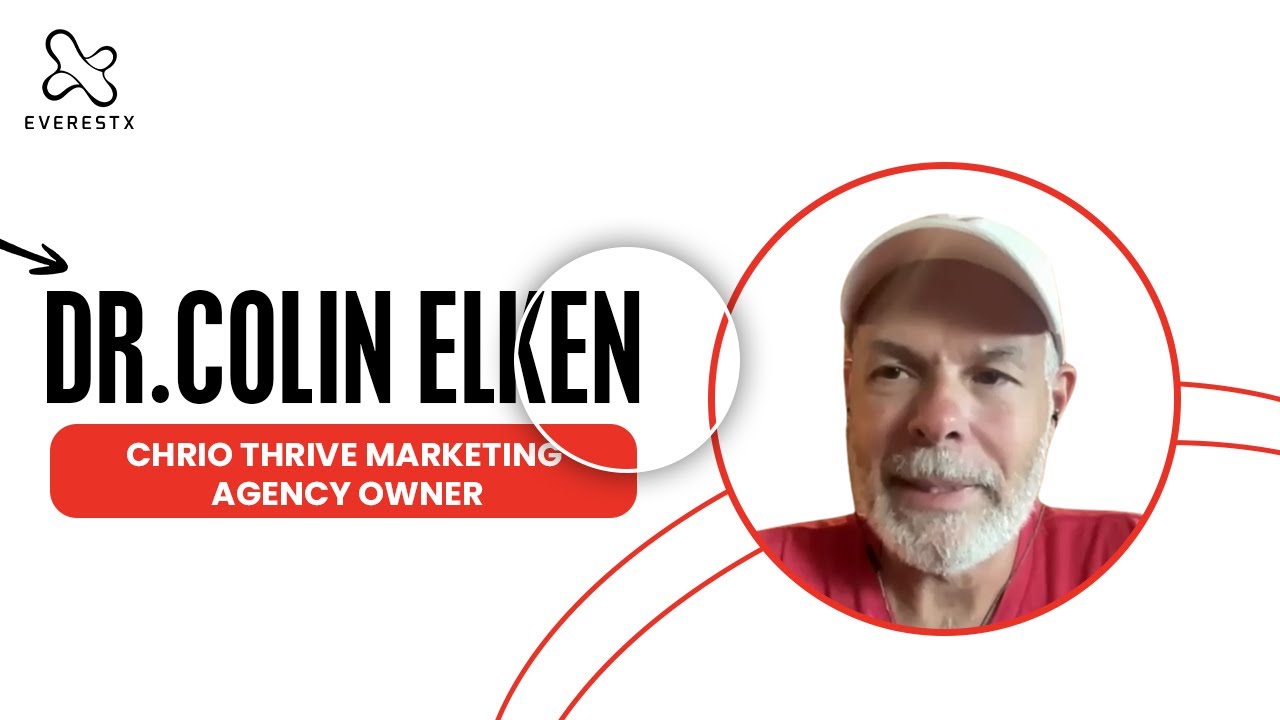
“He really acts as if he’s a part owner of the company. Owns up to mistakes right away, corrects them, and has done some wonderful work for us — frankly, helped us grow.”
Dr. Colin Elken
Agency Owner, Chirothrive Marketing Agency
Hired: Digital Marketing Specialist (Full-Time)
“He was a great team member with us for the last year. Definitely knows digital ads — very responsive and committed throughout.”
Jerry Martinez
President, Sunray Media Consultants
Hired: Performance Marketing Specialist (Full-Time)
“Saved us a ton of time on screening. The person they sent came in ready and picked up our stack fast — has been delivering consistently since week one.”
Rishi Patel
Senior Talent Operations Manager, RippleMatch
Hired: Paid Ads Specialist (Part-Time)
Ready to Hire a Fractional CMO?
Get matched with a vetted Fractional CMO in 48 hours. Try 1 week risk-free — no charge if not the right fit.
48-hour match guaranteed · Replacement at no cost · Cancel anytime